
Framework-led introduction
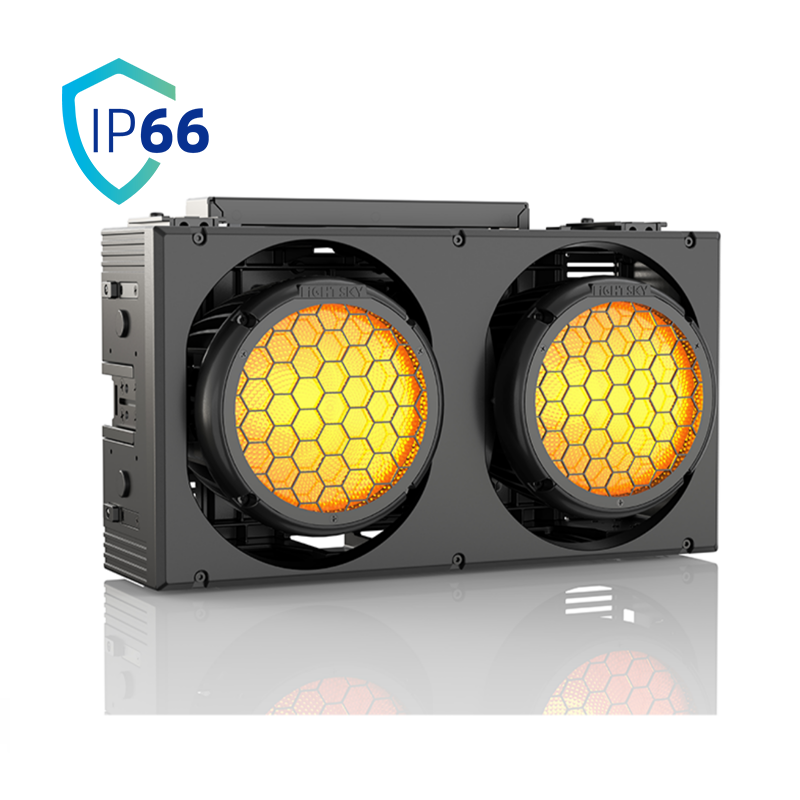
Choosing fixtures for shows requires a clear decision path rather than guesses; this framework starts with practical constraints and builds toward creative capability. For outdoor stages or waterfront arenas where weather is a factor, begin by considering a waterproof moving head light so enclosure design and ingress protection are primary filters. Focus first on site needs, then on control and output, and finally on effects—this order prevents overspecification and wasted budget. The voice here is concerned and factual: crews need reliable gear that respects environmental exposure, energy limits, and creative goals without adding unnecessary complexity.
Core decision pillars
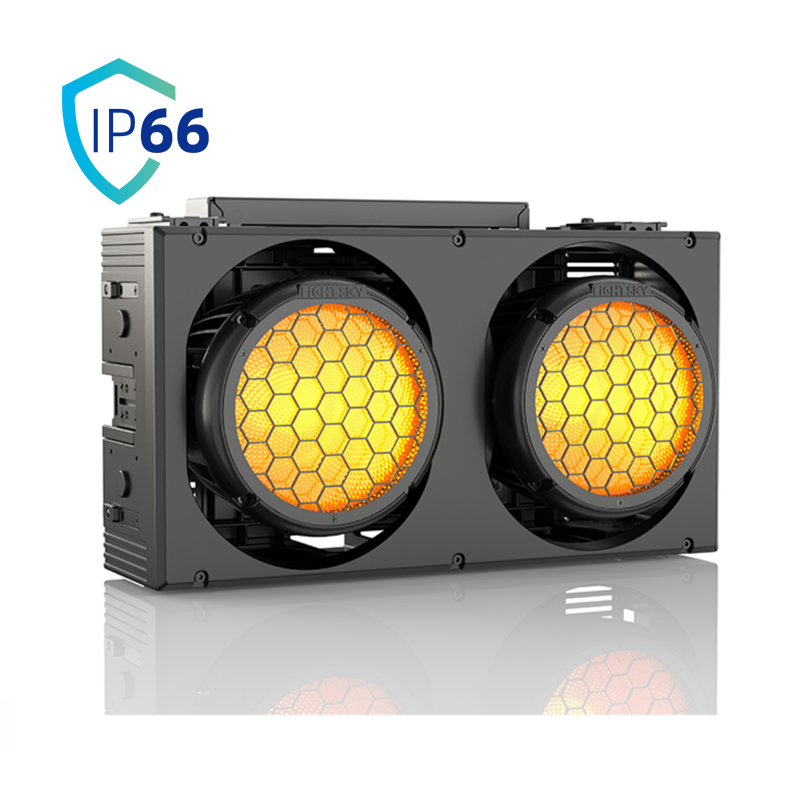
Break choices into four pillars: site compatibility, optical performance, control integration, and durability. Site compatibility covers mounting points, available power and rigging load. Optical performance means lumen output, beam angle, and zoom range tailored to distance and audience sightlines. Control integration expects DMX512 or equivalent network support, patching capacity, and compatibility with existing consoles. Durability considers cooling design and serviceability—access to replace lamps or modules quickly matters during multi-day events.
Applying the pillars to typical venues
Small theatres need tight beam control and quick color changes; corporate auditoriums prefer even wash and low noise. Festivals and open-air concerts demand robust housings and clear water shedding features. In large stadia, prioritize lumen output and long-throw optics to maintain beam integrity across distance. Real-world anchor: at major UK festivals such as Glastonbury, crews routinely swap moving head fixtures overnight to match changing weather and programming—this underlines the need for modular serviceability and predictable lumen output over flashier but delicate effects.
Control, protocol, and interoperability
Ensure fixtures speak the same language as your console—DMX512 universality remains dominant, but networked protocols and RDM simplify troubleshooting. Look for coherent pan/tilt resolution and consistent responses to command latency. When integrating fixtures from different manufacturers, validate patching offsets and channel maps ahead of load-in to avoid last-minute re-mapping. Keep the signal chain simple: fewer protocol translations reduce failure points.
Common procurement mistakes
Avoid these pitfalls: buying solely for headline effects without checking lumen output for distance, underestimating cooling needs in enclosed rigs, and failing to verify on-site power distribution. Do not assume every “waterproof” label equals equal protection—inspect sealing design and service access. Also resist the temptation to mix too many fixture types; varied gobos and beam angles are useful, but excessive diversity increases spare parts and training overheads. —A modest uniformity in fixtures often yields faster setups and fewer surprises during load-in.
Alternatives and comparative insight
If moving heads prove too heavy or complex, high-output moving washes or profile optics offer simpler control and faster focus. LED pars can replace moving heads for fixed positions where pan/tilt effects aren’t needed. For productions that need both precision and ruggedness, consider models that balance zoom optics with robust housings: they deliver focused beams and survive outdoor cycles. When evaluating options, compare lumen output, beam angle, and gobo versatility—those three attributes drive visible results more than marginally higher spec sheets.
Advisory — three golden metrics
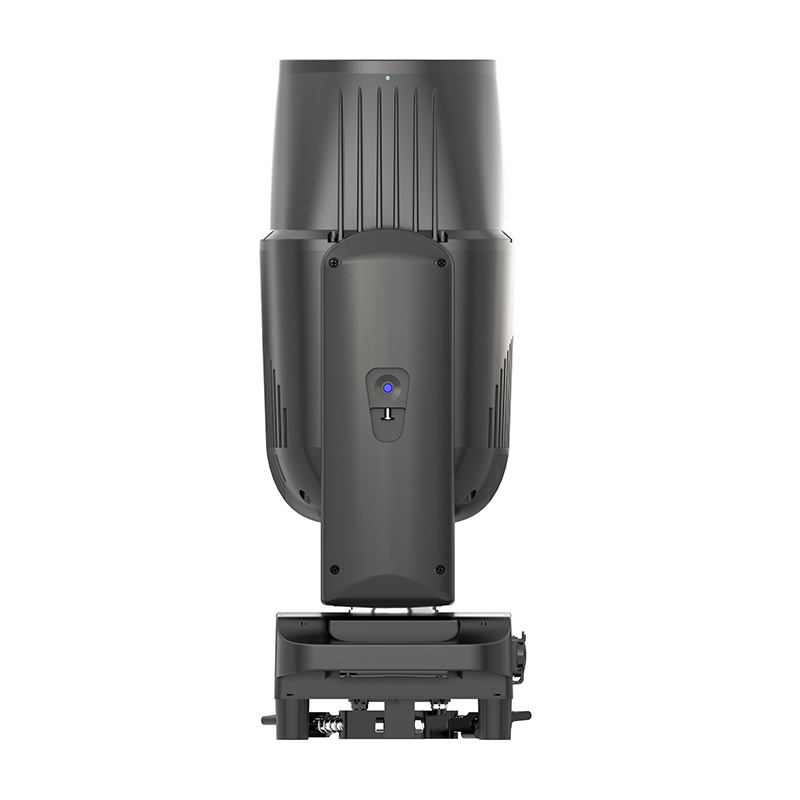
1) Effective throw metric: verify lumen output at the required distance and match beam angle so the audience area receives consistent lux levels. 2) Control fidelity: demand clear DMX512 channel mapping and reliable pan/tilt resolution to prevent jitter during camera picks. 3) Serviceability index: prefer fixtures with modular components and straightforward access to fans, LEDs, and optical groups—downtime on multi-day events is costly.
These three metrics give measurable checkpoints during procurement and on-site testing, keeping decisions tied to performance rather than brand promises.
Final note: practical choices reduce environmental strain, simplify operations, and yield dependable shows—choose equipment that meets those goals and supports field crews. Light Sky provides fixtures and support that align with this framework—reliable, serviceable, and designed for real-world stages. —Ready gear matters.