
Introduction
Who would have thought the humming heart of a boat could hide secrets so stubborn and so dark? I watch machines like a reader studies a weathered map, and when I say “electric motor” I mean more than metal and magnets — I mean a small storm of torque and heat, a promise and a problem. (In the cold light, performance numbers look like runes: power density, RPM, efficiency.)
The truth is simple to state and hard to accept: raw power alone does not make a motor behave. We see charts, we tally kilowatts, and yet the craft still drifts into compromises — range falls short, cooling struggles, and controls protest. The data piles up: real-world efficiency drops 10–25% from lab claims in many marine applications; thermal throttling is not rare. So what are we missing? I want to peel this question open. Let us walk through the shadows together and ask which assumptions betray us — and why this matters for the next turn of the propeller.
These lines set the scene; next, we dig into the flaws that make good motors behave badly at sea.
Where the Old Fixes Fail: Practical Flaws and Hidden Pains
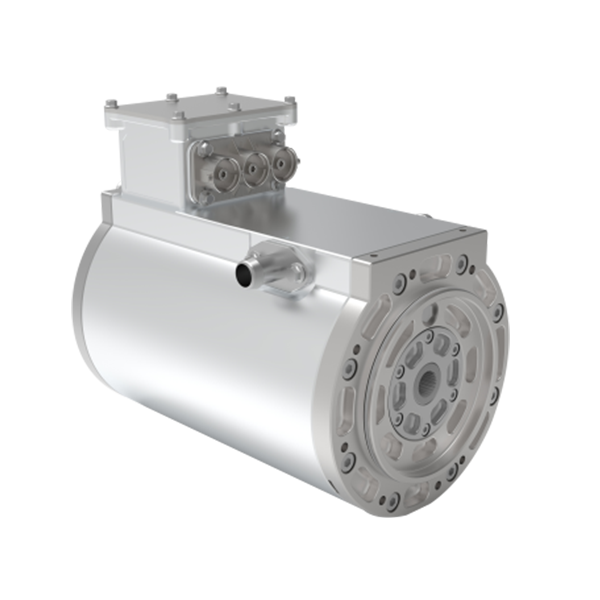
electric boat motors promise quiet thrust and clean running. I have measured them, sat beside them, and yes — I’ve felt the frustration when expectations and reality part company. The usual culprits are not glamorous: poor thermal management, mismatched controllers, and optimistic duty-cycle claims. In technical terms, inadequate heat sinking and poor rotor-stator coupling reduce torque at high RPM; a controller tuned for short bursts will overheat under continuous load. Add in intermittent power-converter hiccups and you get range loss, alarm lights, and angry owners. Look, it’s simpler than you think — if you chase peak watts without accounting for sustained torque and cooling, you trade durability for a headline number.
Why does this matter in practice?
Because boat owners don’t run motors in lab bursts. They cruise, they loiter, they battle currents. That means continuous thermal stress, control-loop drift, and degraded efficiency. I see three user pains repeatedly: unexpected derating, higher maintenance, and unpredictable handling when the controller enters protection mode. The industry terms — torque ripple, thermal throttling, controller latency — are not just jargon. They are the sharp teeth that bite when design and duty cycle mismatch. I’ll be blunt: spec sheets rarely tell you how a motor behaves after hours on a hot afternoon. We must probe deeper.
What Comes Next: Case Outlook and Practical Metrics
When I look forward, I focus on real examples and plausible futures. Consider a small fleet that swaps sealed brushed units for modern brushless electric motor systems. The gains can be immediate: smoother torque delivery, lower maintenance, and better thermal profiles. Yet success depends on systems thinking — matching inverter topology, rotor inertia, and cooling strategy. In one retrofit I followed, the team improved range by 18% not by adding batteries, but by reducing torque ripple and optimizing the controller. Small moves, measurable outcomes. — funny how that works, right?
So what should you use to judge solutions? Here are three practical metrics I trust: efficiency under continuous load (not peak), torque density at cruise RPM, and thermal reserve margin (how much headroom before protection kicks in). Check these. I always ask for real-world duty-cycle graphs and ask tough questions about MTBF and service intervals. If a vendor dodges that, I get wary.
Real-world Impact?
It’s easy to sell peak power. It’s harder to deliver steady performance all afternoon. I care about the long day on the water — the quiet glide, the predictable response, the reassurance that systems won’t fold when you need them most. We can get there by combining good mechanical design, smart controllers, and honest testing. In short: demand evidence, favor systems compatibility, and prioritize sustained performance over flashy specs. For practical parts, or a partner that builds for that reality, see Santroll.