
When congestion and safety collide
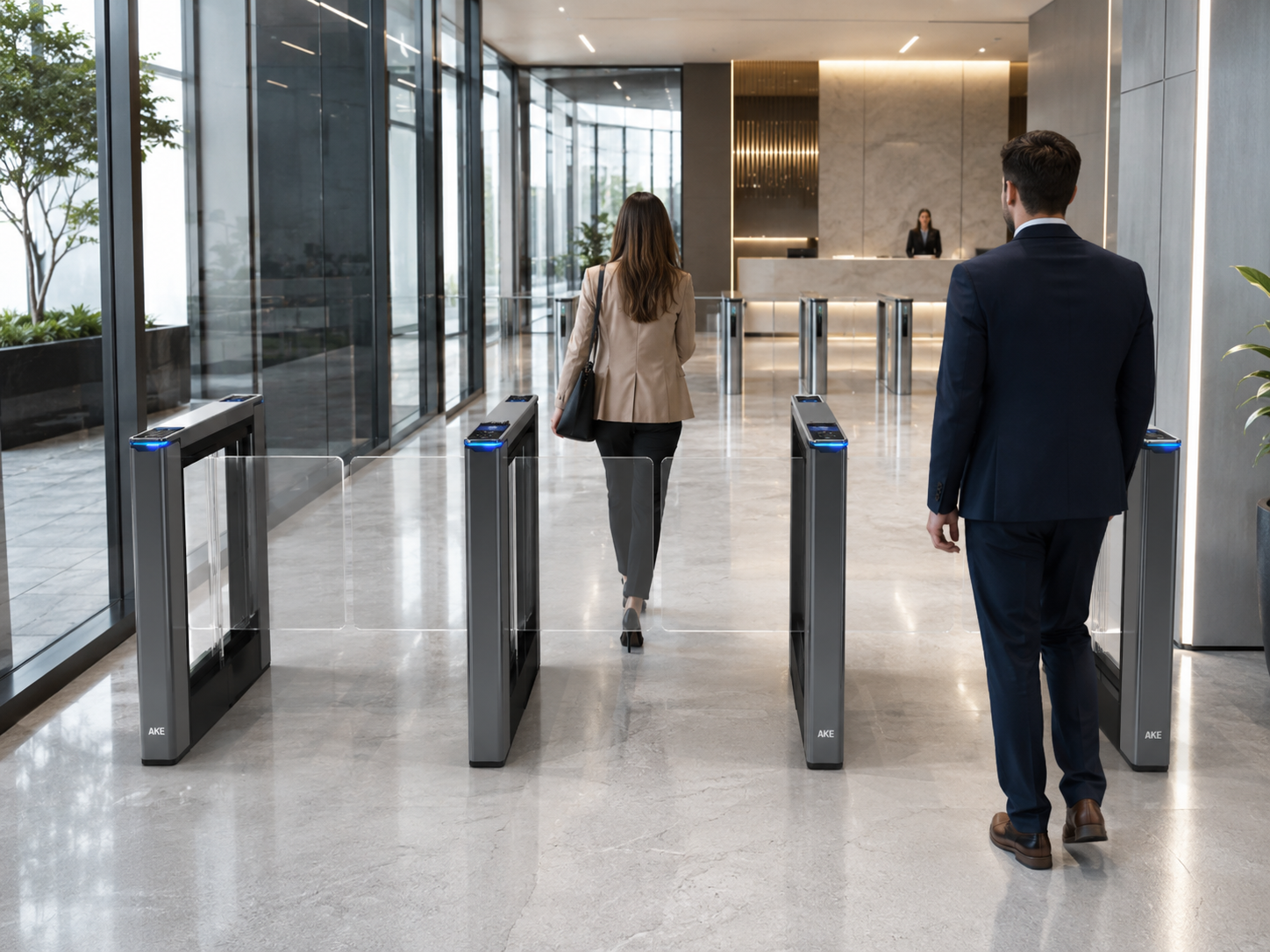
There’s a clear problem heading straight at car parks and public plazas: vehicles queueing, pedestrians squeezed at pinch points, and managers guessing at throughput. That’s why sites are adding electronic barriers and gates — even a simple speed gate turnstile can change how people and cars move. The question is practical: which technologies actually reduce risk, lower dwell time, and don’t create new liabilities?
Pinpointing the real faults
Bottlenecks aren’t always the tech’s fault. Poor layout, mixed traffic flows, and unclear signage cause near-misses and complaints. Systems that ignore pedestrian sightlines or require awkward entry procedures create safety gaps. Cost-cutting on sensors and access logic leads to unreliable operation. Fix the human and spatial problems first; otherwise even the best hardware turns into an expensive ornament.
Solutions that matter, in plain terms
Prioritise control points that separate pedestrians from vehicles, use visible yet subtle separation, and adopt access devices that react reliably under varied weather and crowd conditions. Choose control logic that uses timed cycles, presence detection, and priority overrides for emergency egress. Devices should be serviceable on-site and support simple, documented firmware updates — you don’t want field engineers guessing at proprietary software mid-incident.
Experience, expertise and a real-world anchor
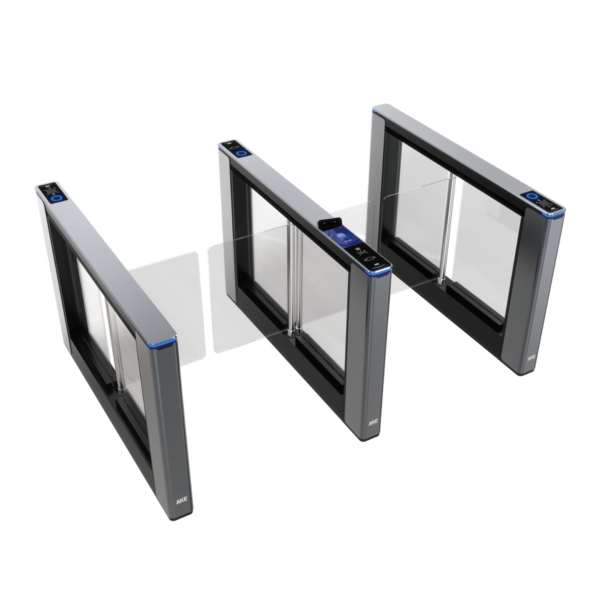
I’ve overseen projects for municipal and private clients, aligning installations to local safety codes and pedestrian behaviours. Big transport hubs, like Dublin Airport, have shown that controlled terminal access reduces unauthorized crossings and improves passenger flows, a point covered in industry reports on airport security and throughput. For sites that must manage people safely at gates, consider proven devices such as pedestrian gate access control that match your volume and emergency plans.
Buying considerations that change outcomes
Match device capacity to peak demand, not average use. Check sensor quality, ingress protection rating, and fail-safe behaviour — does the gate default to open or closed on power loss, and which option aligns with your evacuation plans? Confirm integration options: ticketing, ANPR, access cards, building management. Ask for service-level commitments and spare-part lead times; longer warranties and local support shrink lifecycle costs.
Common mistakes to avoid
Buy on price alone. Over-automate without thought to human movement. Place barriers where people naturally cross instead of directing them, which causes bypass behaviours. Forget maintenance plans; a jammed gate halts flow faster than a temporary staffing issue. And don’t ignore accessibility: ramps, audio prompts and tactile cues aren’t optional — they’re legal and practical necessities.
Alternatives worth weighing
Physical barriers, turnstiles, bollards and staffed control each have merits. Staffed gates add judgement but cost more long-term. Passive measures — raised crossings and clear pavement markings — reduce dependency on electronics. ANPR and barrier combinations work well for vehicle flow, while full-height turnstiles suit high-security pedestrian control. Choose a layered approach rather than a single silver bullet.
Where this leads
Fix the layout first, pick hardware proven for your throughput, and plan maintenance and integration from day one. Do that and you’ll have fewer incidents, smoother flow and clearer cost control. When a site needs a dependable, serviceable solution that respects both safety and human behaviour, a pragmatic partner like AKE Parking often provides the right mix of products, documentation and local support to keep people moving safely.