
Introduction: A Porch-Light Moment
Last night on my aunt’s porch, we squinted under a tired bulb, trying to read a recipe card and laughing at all the shadows it threw—bless our hearts. A pendant light supplier can make that choice easy or painful. Here’s the thing: most folks judge a light by looks, but up to 60% of returns in home lighting come from glare, flicker, or poor color. That’s a lot of frustration and wasted time. If you’re redoing a kitchen island or staging a foyer, do you want a beauty that blinds you, or a fixture that looks good and works right—every day?
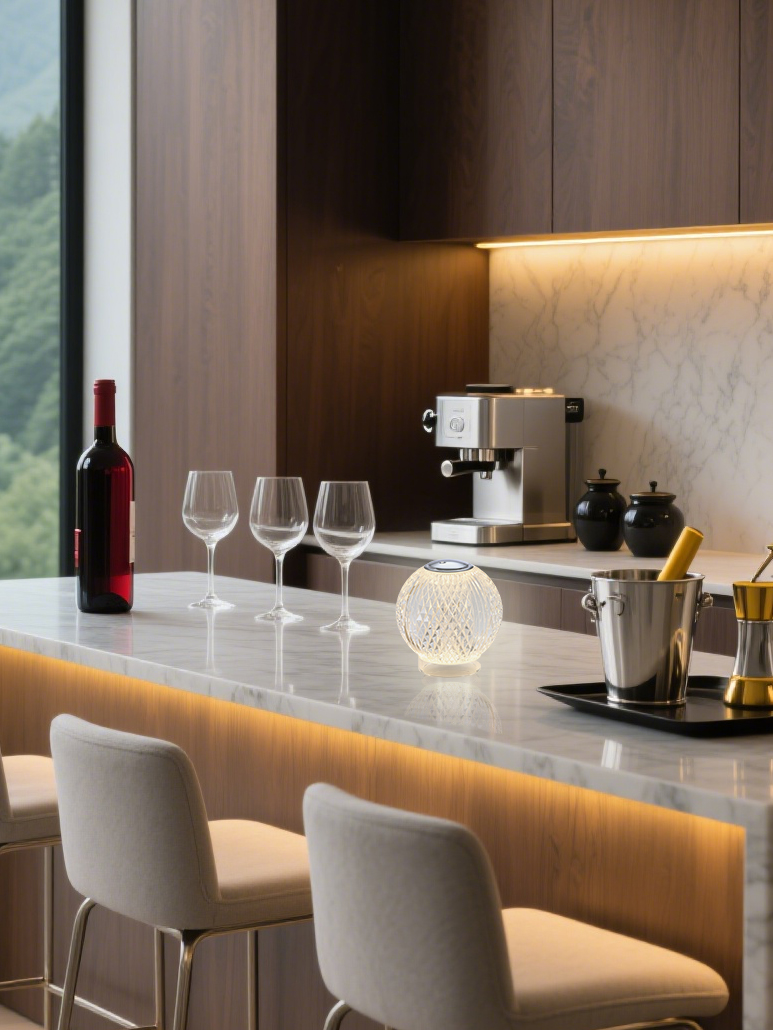
So the question ain’t just “Which light is pretty?” It’s “Which one keeps your space calm, clear, and reliable?” (And which partner backs you when things get tricky?) Southern truth: light sets the mood and the mood sets the home. Are you set up to compare the right specs, or are you guessing from photos—funny how that works, right? Let’s line up what matters, side by side, and see who holds steady. Next up, the hidden gotchas folks don’t see at first glance.
Digging Deeper: The Hidden Pain Behind a Dazzling Diamond Pendant
What trips people up?
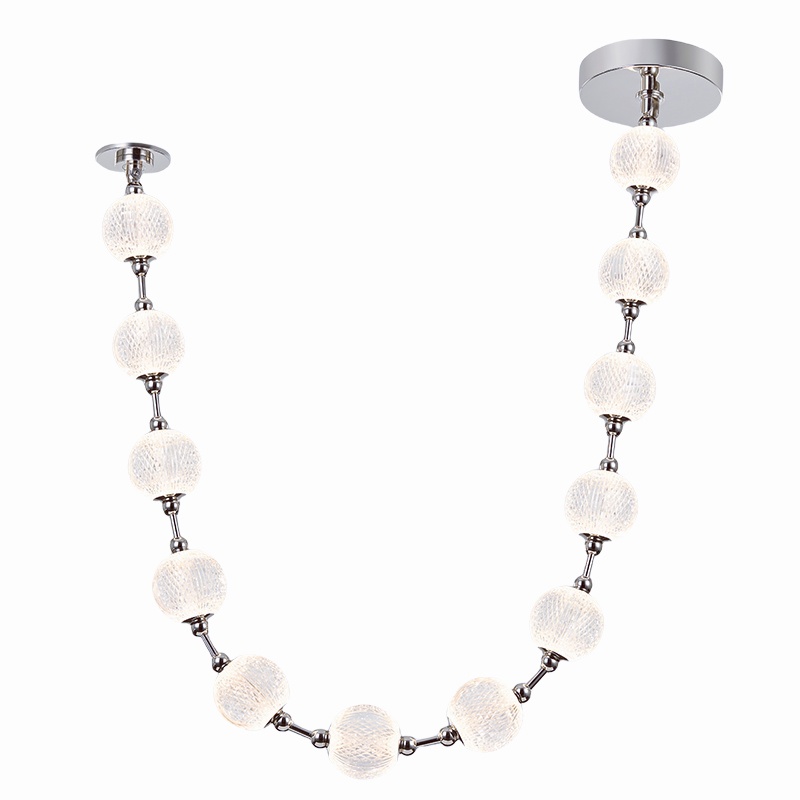
Let’s get straight. A diamond pendant light can look like a million bucks and still give you a headache. Why? The usual suspects: hotspots from weak optics, glare from a thin diffuser, and flicker from low-grade dimming drivers. Add a light engine with poor CRI and you’ll see food and fabrics look dull, even gray. Look, it’s simpler than you think. Check the guts: a solid heat sink, stable power converters, and a diffuser that spreads lumens cleanly. If the pendant is bright but you can’t keep eye contact under it, that’s not luxury—that’s a fail.
Traditional solutions often paint over the problem. Folks crank brightness to “solve” dark corners, which only boosts glare. Others layer extra fixtures, raising cost and noise. Better path: choose a pendant with proven thermal design so LEDs don’t drift and dim, plus a driver that supports smooth low-end dimming. Ask for test data on flicker percentages, not just a brochure. If the supplier can’t share photometrics or CRI and R9 values, you’re buying a mystery box. And in real homes, mysteries turn into returns—and grumbles.
Looking Ahead: Smarter guts, calmer glow
What’s Next
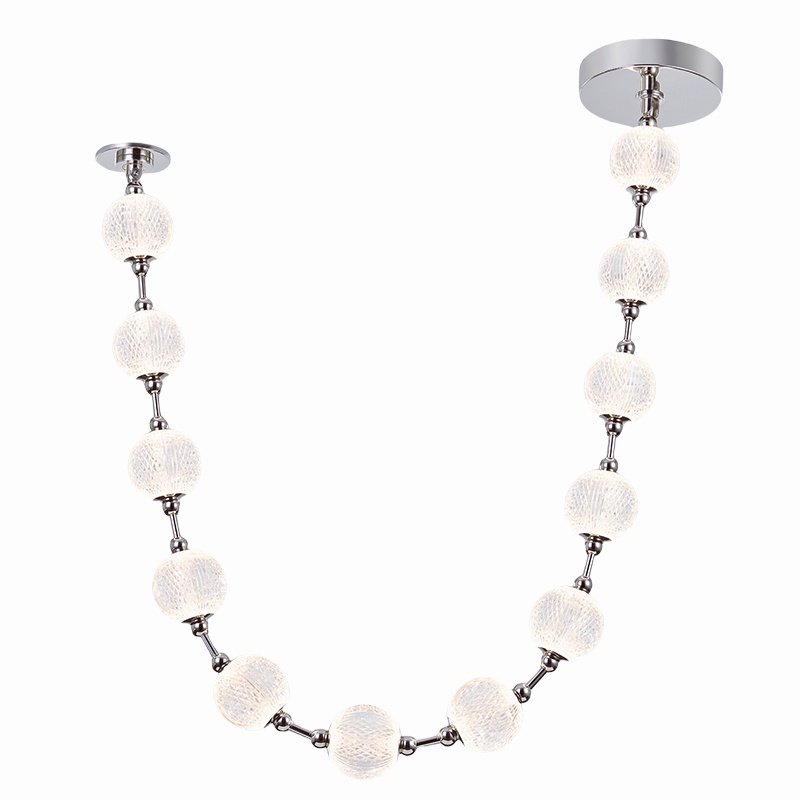
Here’s where things get better fast. New driver tech reduces ripple and brings stable low-level light, so you can dine without the shimmer. Think PWM dimming tuned to avoid stroboscopic effect, paired with tighter optics that cut glare at the source. The practical win: a focused beam for task work, with a soft halo for ambiance—no squinting. When your pendant light supplier can show voltage regulation curves, lumen maintenance (L70), and thermal limits, you’re not guessing. You’re comparing. That’s the heart of it. Even better, modern boards and heat sinks push waste heat away from the LEDs, so color stays true and output stays steady—longer life, fewer swaps.
Let’s stack it all up in plain terms—then wrap with what to check before you buy. Old-school pendants looked great but hid weak power converters and thin diffusers; they ran hot and aged fast. Next-gen designs pair better optics with high-CRI packages, so finishes pop without glare. The everyday result? Fewer dark patches on the countertop and no banding on video calls. Advisory close-out: measure three things before you choose. One, photometric accuracy—lumens, beam spread, and CRI with R9 for reds. Two, driver quality—flicker index, PWM performance, and dimming curve at 1–10%. Three, thermal management—heat sink design and real L70 data at operating temps. Do that, and your diamond-style pendant won’t just look sharp—it’ll feel easy on the eyes, day after day—funny how the right specs do that, right? kinglong