
What to Ask a Factory When Procuring Explosion-Proof Lighting
The procurement problem
Buyers get tripped up by assumptions: that lead times are short, specs are clear, and the factory understands the full project context. That’s where questions matter — not to re-engineer work on-site but to make sure the factory’s deliverables match the project team’s needs. While you’re checking scope, take a look at suppliers’ product lines such as explosion proof electrical equipment so everyone knows what a factory actually manufactures versus what it resells.
Core questions to put to any factory
Ask whether the factory can supply documented product scope and sample availability; what typical lead times are for orders of your size; how they handle customization requests and change orders; what spare-part support and after-sales channels they provide; which inspection, testing, and traceability records accompany shipments; who signs final delivery documentation; and what warranty and corrective-response terms they offer. Phrase these as firm questions to be answered in writing; leave technical verification to the qualified engineer on your team.
Who should coordinate on your side
Make coordination explicit: procurement to manage contracts and payment terms; project engineering to set functional needs and verify supplier claims; the client or asset owner to confirm acceptance criteria; the contractor to align delivery schedules and site handling; and logistics/warehouse to confirm receiving capabilities. Assign a single point of contact for supplier queries so answers aren’t fragmented across departments.
Documentation and evidence you should request
Insist on product drawings, materials lists, packing lists, test and inspection reports, and traceability records that link components to production batches. Request factory photographs of finished items and packaging for large orders. Ask suppliers to state what third-party verification they make available and how long they retain associated records. Keep the emphasis on documentation that lets your engineer or verifier make an informed decision, not on technical instructions you’ll act on directly.
Common procurement pitfalls
Don’t assume marketing claims equal contractual deliverables; don’t let a quoted lead time stand without written confirmation; don’t skip a review of spare-part commitments; don’t leave ambiguity about who pays for rework or replacement if supplied items don’t match the agreed documentation. Avoid accepting verbal promises — get scope, changes, and remedies in writing so the project team can plan contingencies without guessing.
How to evaluate factories without getting technical
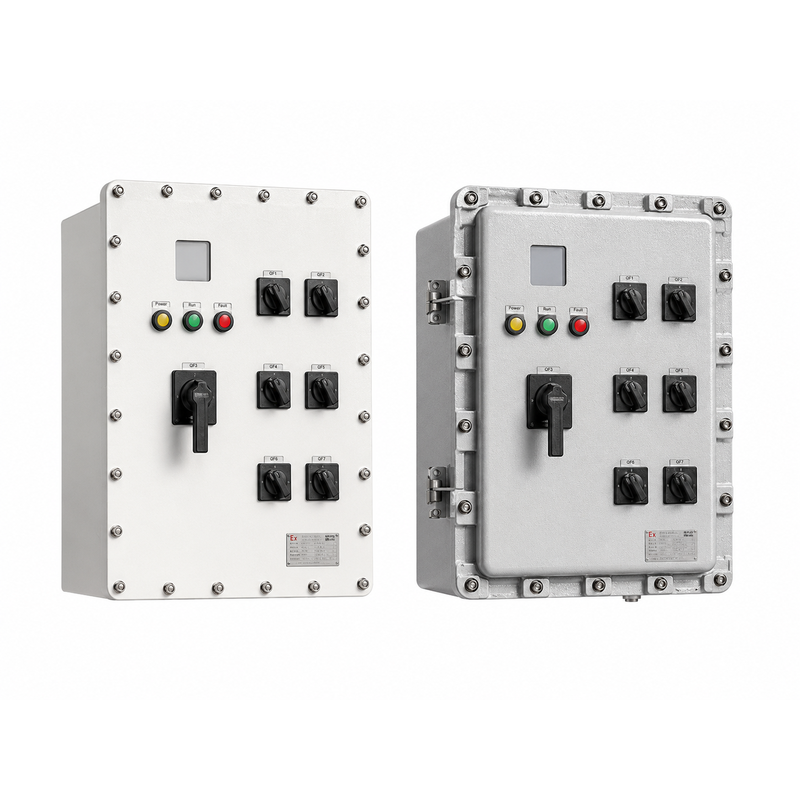
Look for consistent answers rather than technical detail: steady production capacity for your order size, clear supply-chain transparency, visible quality-control steps, reliable delivery history, and straightforward warranty language. Review samples and documentation together so the engineer, procurement, and operations teams see the same evidence. Confirm whether the factory produces related items you’ll need coordinated on the same PO, for example an explosion proof control box, or whether those items come from a different source — that distinction avoids scope gaps later.
Synthesis for the project team
Keep questions sharp, get answers in writing, and tie those answers to who on your team will verify them. The core issue isn’t technical minutiae here; it’s alignment — of scope, documents, timelines, and responsibilities — so that qualified engineers can confirm suitability and contractors can plan delivery. When information is clear and traceable, procurement decisions become straightforward, which is exactly the kind of practical clarity sunleem presents in its product and documentation pages.