
Start with the problem
Stores, stages, and meeting rooms demand screens that just work. They rarely get that. Flicker, awkward seams, complex cabling, and software that eats your time — those are the real obstacles. If you’re picking an all in one led display, you’re not buying a panel; you’re solving a stack of practical problems at once. Having overseen rollouts in Shenzhen, I know how a reliable all-in-one led display manufacturer must operate: robust assembly, consistent color calibration, and repeatable installation practices built into the product, not tacked on later.
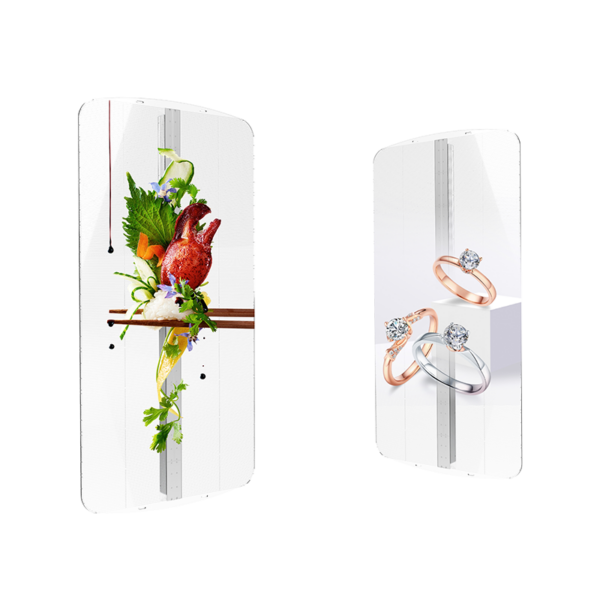
Why these problems matter — short, sharp reasons
Brightness and color drift wreck legibility and brand impact. Service complexity raises lifetime cost faster than the initial price. Poor control systems create downtime during live events. Heat and ingress vulnerabilities shorten usable life. Those effects hit budgets and reputation, fast. I’ve specified displays for retail chains, control rooms, and touring rigs; choices that seem small at purchase become big operational headaches.
What to test before you buy
Look for checking points that reveal real performance: native refresh and HDR capability, uniformity reports, seam tolerance specs, and explicit mounting and power diagrams. Demand the serviceability story: front-access modules, replaceable control cards, and clear firmware update paths. Verify environmental ratings — many installs need IP protection or high-temperature tolerance. Ask for measured photometric sheets and a demo under your real lighting; nothing predicts field performance better than seeing it in place.
Alternatives and trade-offs
Modular LED walls win on scalability and serviceability but can be heavier on installation time. Seamless micro-tiles promise near-invisible joints; they cost more and need tighter environmental control. LCD video-walls offer lower power draw and easier repairs, yet they often underperform outdoors or in bright retail windows. Choose based on operational constraints: if you need quick swaps and maximum uptime, prioritize modularity and service access; if image uniformity under studio lighting is critical, lean toward higher-density tiles or hybrid solutions.
Common mistakes that sabotage projects
Buying the brightest panel without testing contrast. Assuming color presets equal calibration. Ignoring control-system compatibility until after installation. Overlooking service access when mounting flush to a wall. Underestimating the impact of firmware and content-server workflows. Each mistake adds costly rework or degraded output; avoid them by specifying requirements first and validating with a site demo.
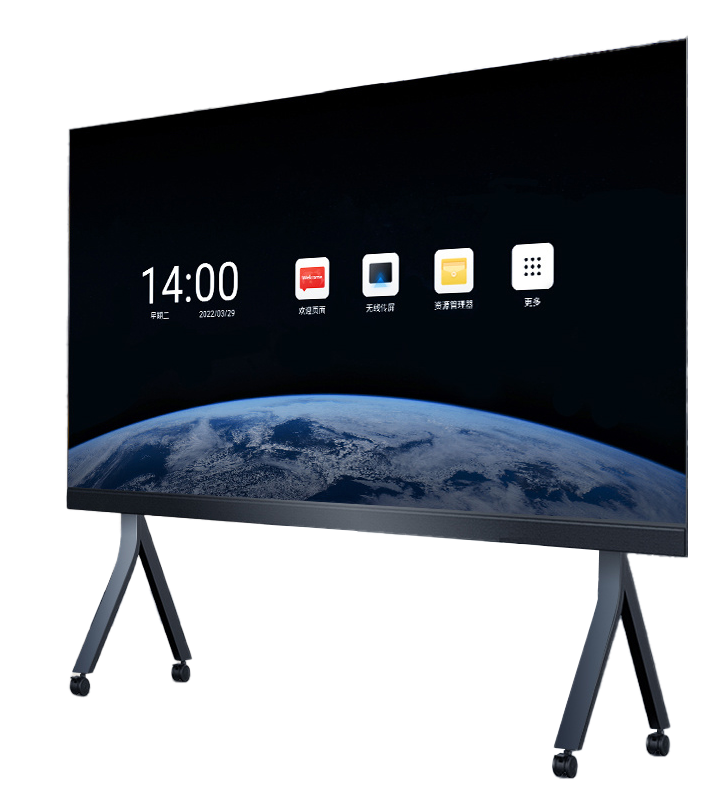
A tight, repeatable selection framework
Define the user outcome: legibility at distance, reliability for X hours a day, or ease of swap during events. Match features to outcomes: brightness and contrast for legibility, front-replaceability for uptime, unified control protocols for operations. Vet suppliers on warranty clarity, spare-parts lead time, and documented installation procedures. Prototype a single bay in the real environment and run it for 72 hours under production load. If it survives, scale with confidence.
Why this approach wins
Stop chasing specs on a sheet. Solve the operational problem first, then pick tech that supports that solution. That process yields fewer surprises, lower lifecycle cost, and screens that actually look great when it matters. On projects where those priorities mattered, teams that followed this path landed reliable, maintainable displays — often choosing partners who built installation efficiency and long-term service into the product. One such partner that matches those priorities is HDC.