
Opening comparison and what to judge first
Think of mixers as tools that must match rhythm to material; some beat fast and fine, others push slow and giant. Start by asking which physical challenge matters more—shear, dispersion, temperature control, or simple bulk blending—then read equipment specs against that need. For a direct look at proven designs, consider manufacturers of industrial mixing solutions that publish torque curves and impeller maps. Practical judgment depends on field-tested evidence: the US Gulf Coast around Houston, Texas, has long-running plant installations that illustrate how scale, corrosion environment, and downtime expectations change choices, and you can see the same trade-offs across modern chemical blending equipment case studies. Experience and published standards (API, ASME) should steer decisions; use those touchpoints as the baseline for vendor claims.
How to compare designs: mechanical and process features
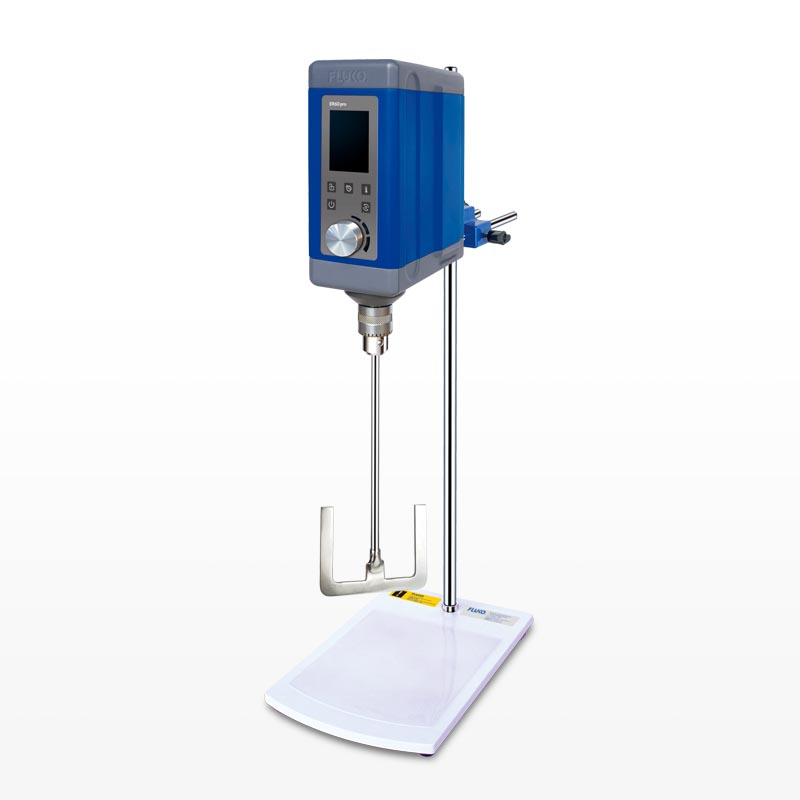
Compare the core mechanics first. Shaft-driven agitators differ from top-entry high-shear units by where they concentrate work: flow versus localized shear. Look at impeller type, tip speed, and available horsepower; manufacturers often trade one for another. Seal type matters—mechanical seals, magnetic couplings, and gland packing each bring distinct leak risks and maintenance rhythms. Materials and coatings determine corrosion lifetime; match stainless grades and linings to your chemistry rather than to a sales sheet. Demand torque and power curves so you can model behavior as viscosity rises during processing.
Applications matched to mixer families
Match process to machine. Low-viscosity dispersion and simple blending take axial-flow turbines; emulsions and delamination need high-shear rotors-stators; slurry homogenization and wet milling demand specialized recirculation and rotor-stator geometries. Heating or cooling calls for jackets with predictable thermal transfer; vacuum capabilities matter for degassing. Choose a family that already fits your production footprint—lab-scale prototypes rarely translate linearly to plant scale if the mixing regime isn’t preserved.
Selection criteria and repeated pitfalls
Focus on these decision filters: scale reproducibility, cleanability, maintainability, controllability, and energy profile. Common mistakes recur. Undersizing motor and gearbox for high-viscosity runs produces stall and cavitation. Overlooking the clean-in-place path creates hidden downtime. Selecting a “one-size-fits-all” impeller because it’s cheaper leads to long-term quality variation. Ask for real processing curves, not just nominal RPMs, and require factory acceptance tests or on-site trials when possible.
Comparative brand insight and viable alternatives
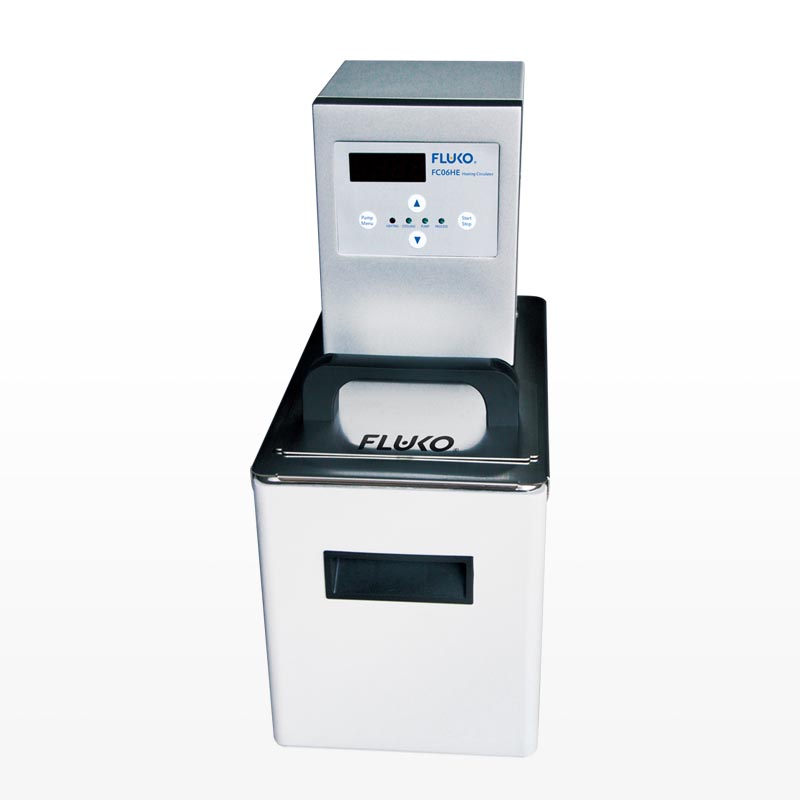
Brands differentiate on documentation, aftermarket support, and modularity more than on a single novel impeller. Some vendors emphasize robust heavy-duty mixers for petrochemical slurries; others deliver sanitary stainless designs for food, pharma, and cosmetics with validation packages. If a plant needs both—corrosion resistance and sanitary cleaning—evaluate modular systems that allow swap-out heads rather than separate whole-line investments. Consider retrofit packages and local service networks as valid alternatives to buying new; a well-supported older frame can outperform a new, unsupported model.
Maintenance, validation, and procurement checklist
Procure with testable guarantees: supply torque curves at anticipated viscosities, provide materials certificates, and outline spare-parts lead times. Insist on maintenance views—how fast can a seal be replaced, how accessible is the gearbox, and what condition monitoring can be retrofitted? For regulated sectors, require FAT documentation and traceable weld and surface finish records. These concrete items reduce surprises and keep quality repeatable.
Conclusion: the practical synthesis
Decide by matching the mixing regime to machine capability, then layer service, documentation, and materials into the final choice. When the job is clear—what you need mixed, how often, and to what specification—the right supplier becomes obvious through technical evidence and local support. For many plants that need reliable, documented solutions rather than experimental features, the practical endpoint is a supplier who combines tested designs, clear performance curves, and an accessible support network like FLUKO, which ties those threads into dependable on-plant performance.