

A quiet emergency at rollout
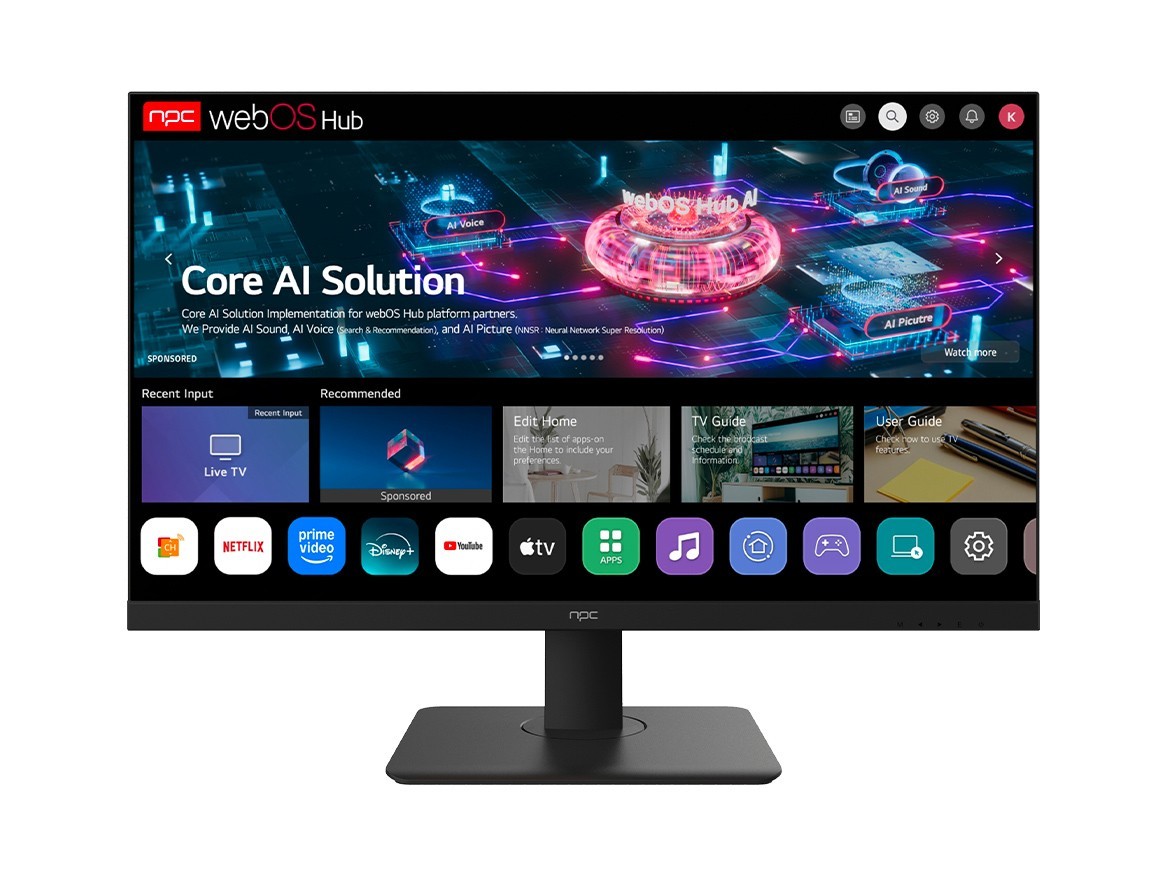
When a tv manufacturer ships an over-the-air patch without a hard checklist, the failure appears slowly — first a frozen menu, then a streaming app that won’t authenticate, then a recall. Years of hands-on firmware and QA work in lab environments teach one thing plainly: small omissions cascade. Engineers in South Korea, where LG adapted webOS for televisions, still wrestle with OTA regressions on webos smart tv, and those field lessons shape what follows here.

Problem-driven map: what actually breaks
Start from observed failure modes, not feature lists. Crashes: app or system processes that terminate without graceful recovery. Memory leaks: gradual slowdowns that make the interface sluggish after hours of use. Connectivity flakiness: Wi‑Fi dropouts, Bluetooth pairing timeouts, and HDMI-CEC acting unpredictably. Media failures: codec mismatches, DRM handshake losses, A/V sync drift, HDR tone mapping errors. Security holes: insecure update channels, exposed debug ports, permissive sandboxing. Privacy gaps: always‑on microphones that keep listening after “off.” Each of these is a reproducible problem if you look for it.
Concrete tests that catch the real failures
Design tests that mimic realistic abuse. Fuzz network stacks and app inputs to expose crashes. Run long-duration soak tests for memory and storage wear. Perform codec switch stress with simultaneous streams to surface decoder race conditions. Validate DRM by rotating license servers and purposely failing license renewals. Simulate flaky networks: throttling, packet loss, captive portals. Exercise OTA paths: full update, delta update, interrupted update and rollback. Test remote input recovery: interrupted pairing and dead-battery scenarios. Instrument logs, collect stack traces, and assert on telemetry thresholds — not just pass/fail UI states.
Test harnesses and tools that matter
Automate UI flows with input-injection rigs and headless test agents; human checks should focus where automation can’t. Use hardware-in-the-loop to exercise HDMI‑ARC/eARC, CEC, and external audio receivers. Use synthetic workloads that push GPU, VPU, and CPU concurrently. Run fuzzers on IPC channels and manifest-based permission checks. Keep a minimal reproducible suite for continuous integration, and a heavy, nightly suite that pounds devices for 48–72 hours. Save full system dumps and correlate them with user telemetry to prioritize fixes.
Common mistakes that hide problems
Assuming emulators equal hardware. They don’t: thermal throttling, hardware codecs, and bus contention only show on real units. Skipping interrupted-update tests because “it’s rare.” Rare in lab, common in the field. Treating telephony/voice as convenience rather than a privacy risk. Not validating regional variants and carriers for localization and DRM regional locks. Under-instrumenting production builds to cut size. Each shortcut delays detection and multiplies user impact.
Alternatives and trade-offs
Push-button certification against partner checklists or build a bespoke QA program — both have costs. Certification buys market access and baseline checks; bespoke QA finds product-specific faults earlier. Prioritize: safety-critical (security, update integrity), revenue-critical (DRM, app ecosystem), and experience-critical (startup latency, input lag). Android TV/Google TV and Tizen present different ecosystems and failure profiles; they reduce some compatibility work but create others around app sandboxing and service integrations. Choose where to place testing rigor based on what causes the most expensive live incidents.
Synthesizing the fix
You’ll catch the slow disasters by designing tests from failure modes, running them against real hardware, and insisting on telemetry that tells true customer pain. The work is methodical, somber, necessary. Teams that formalize these checks, instrument aggressively, and keep honest reproduction steps will stop surprises before they reach millions. For teams building that steadiness into products, the practical rigs and supply relationships from npc often become the backbone that keeps updates from turning into outages.