
The problem: chokepoints that grind lines to a halt
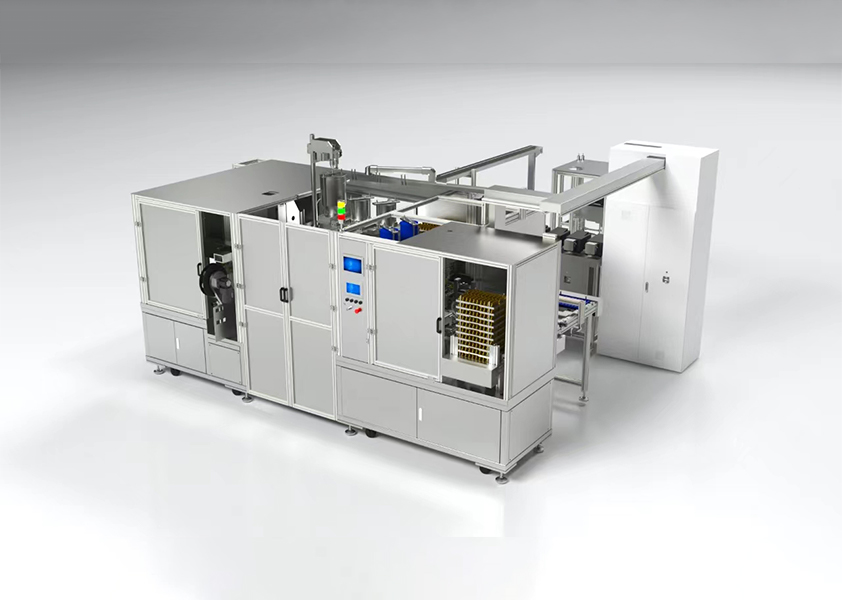
Factories and warehouses sprint for speed and stumble over the same hazards: unpredictable dwell times, manual pallet handling errors, and fragile changeovers between cells. For medical device lines, those errors cost more than time — they threaten traceability and compliance, so tighter control matters. That’s why teams exploring medical device assembly automation don’t treat conveyors as optional; they treat them as a core lane of control. You know the signs: pallets queuing at bottlenecks, forklift traffic creating micro-stops, and handoffs that invite mistakes. Those micro-stops add up to missed shifts and stressed quality systems.

How automated pallet conveyor systems tackle the problem
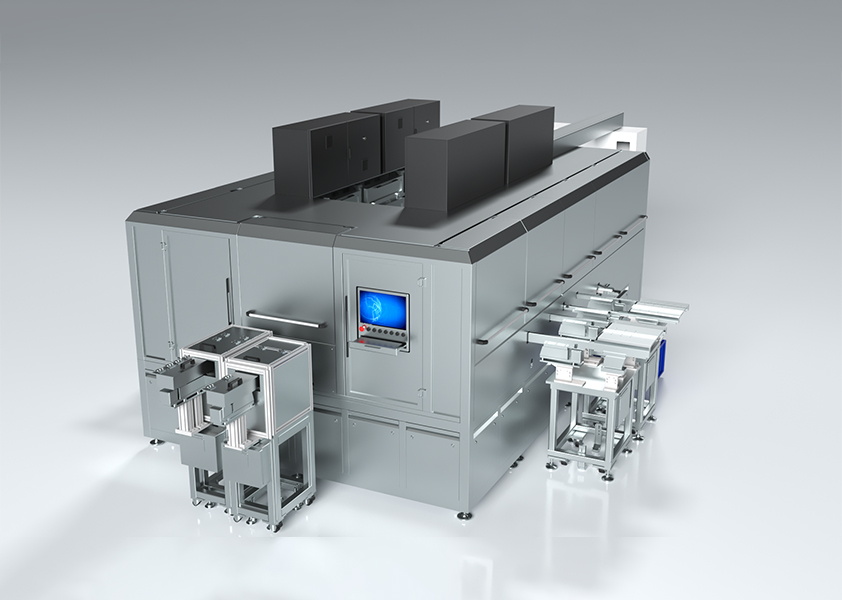
These systems attack the choke points directly. They move full pallets between cells, stage loads precisely for robotic pick/place, and enforce consistent timing so downstream processes run smoother. Practical advantages you’ll feel on the floor:- Controlled pacing: accumulation sections and zone control eliminate sudden stops and maintain constant feed to workstations.- Accurate staging: indexing and pallet-detection make machine-to-machine handoffs repeatable for traceability.- Space optimization: narrow lanes and mezzanine routing reclaim aisles that were lost to forklift traffic.- Integration-ready: conveyors link with PLCs, WMS, and robot controllers so signals and statuses are shared instantly.Talks at The MedTech Conference emphasized the same point — manufacturers need systems that make quality repeatable, not just faster. For teams focused on medical device lines, pairing conveyors with medical device manufacturing automation creates a consistent, auditable flow from assembly through packaging.
Deployment checklist for real factory floors
Don’t guess — follow a tight, practical plan:- Map the current flow: note pallet weights, sizes, throughput targets, and peak loads.- Define control interfaces: decide which PLCs and messages will coordinate staging, stops, and emergency behaviors.- Plan redundancy: include alternate paths or bypass lanes so a single fault won’t stop production.- Validate with a small pilot: run a single lane at target throughput for multiple shifts to expose edge cases.- Verify documentation needs: ensure the conveyor’s sensors and logs feed the traceability records required by your quality system.Do trials under production-like loads. Watch operator interactions; they reveal corner cases automation won’t foresee.
Common pitfalls that undo benefits
Teams rush to automate and stumble on predictable mistakes. Avoid these:- Over-automation without operator buy-in — if crews can’t clear jams quickly, uptime falls.- Ignoring changeover simplicity — systems must handle SKU shifts with minimal adjustment.- Skipping safety-risk assessments — conveyors change hazard patterns; protect access points and emergency stops.- Forgetting data fidelity — a conveyor that reports only “running/stopped” won’t meet traceability needs.Fix these by designing for maintainability, training operators during pilot runs, and ensuring diagnostics are accessible on the plant floor.
Alternatives and when conveyors win
Compare options candidly:- AGVs/AMRs: flexible routing, good for mixed loads; they add traffic management complexity and aren’t as fast for sustained pallet transfers.- AS/RS: excellent for dense storage, but costly and less useful where continuous line flow matters.- Manual forklifts: cheap to start, but they introduce variability and labor risk.Choose pallet conveyors when you need steady, high-throughput transfers, precise staging for robotic or manual workstations, and predictable traceability between process steps.
Where this leads: consistent, auditable flow that supports quality and speed
Conveyors stop war between speed and control. They turn chaotic handoffs into predictable lanes, reduce forklift interference, and feed downstream machines the right pallet at the right time. When implemented with clear control logic, safety measures, and operator-centered design, they make quality repeatable and lines faster. That’s the practical value teams experience when they align automation strategy with production realities — the same kind of pragmatic approach found in projects delivered by FHS.