
Comparative opening: experience versus economics
When a regional theater chooses between basic benches and tailored cinema seating, the decision rewires the building’s identity. This is a comparative conversation — not about aesthetics alone, but about sightline, rake, and long-term value. After the Broadway and West End closures during COVID-19, many venues prioritized seating upgrades as audiences returned; that real-world pivot shows how seating choices drive revived attendance and community trust.
Audience experience: why one chair matters to thousands
Comfort influences attention span and word-of-mouth. Ergonomics and legroom are tangible variables: better ergonomics reduce fatigue, while correct row spacing preserves sightlines so every seat feels intentional. Regional projects face a balance — allocate funds to premium upholstery and recline mechanism, or spread savings across lobby and lighting. The comparison is practical: a modest investment in quality seating often yields higher repeat attendance than equal spend on a marginal aesthetic upgrade.
Design trade-offs: what to compare side by side
Compare three things directly: acoustics compatibility, rake profile, and aisle width. Acoustics interact with seat density; a higher rake can improve sightlines but may alter reverberation patterns. Aisle width affects code compliance and flow, which can change how quickly a venue clears after a show — important for regional safety plans. Choose materials and layouts that support the program: rehearsal-heavy houses prioritize durability, while film-focused venues may favor seating optimized for longer dwell times.
Materials and mechanics: durability versus luxury
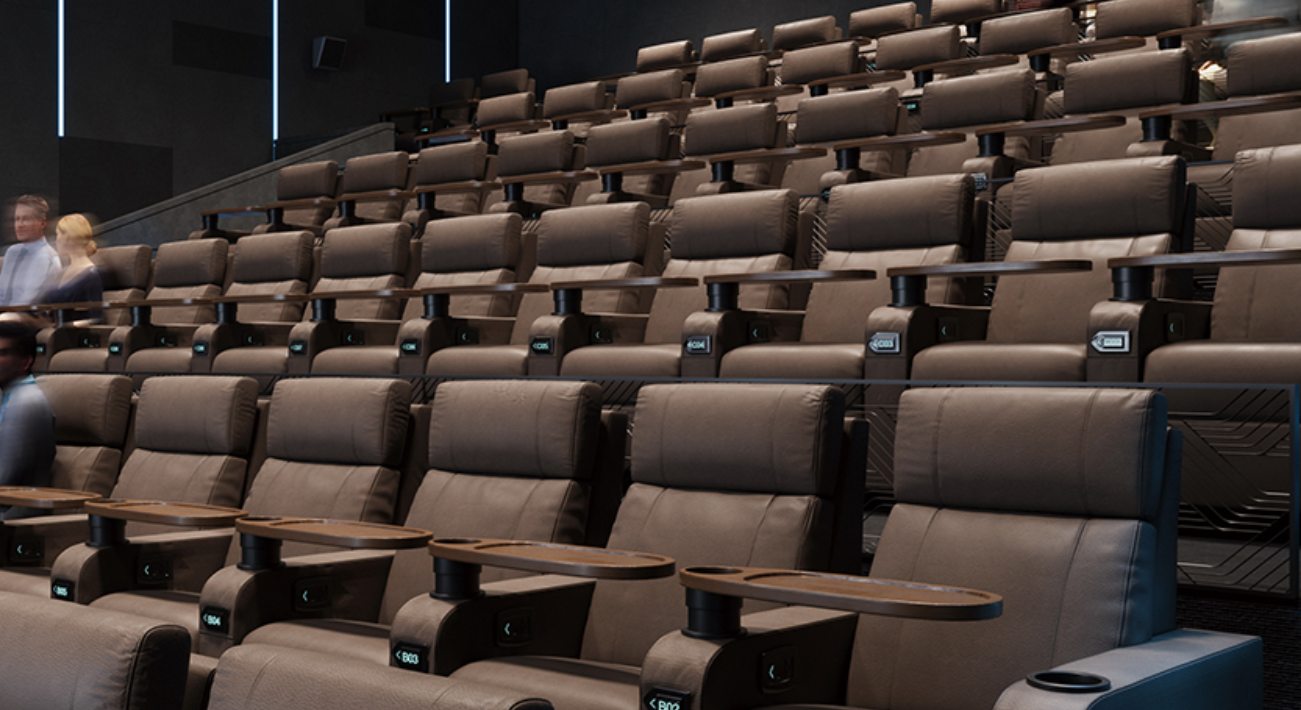
Material choices often tell the project’s lifespan story. Foam density, upholstery grade, and frame finish determine how seats age. Luxury models like luxury recliners bring plush comfort and a refined recline mechanism, but they also demand stronger anchoring and different maintenance cycles than fixed seating. If cleaning frequency will be high, prioritize stain-resistant textiles and modular cushions that can be swapped without replacing the whole seat.
Installation, maintenance, and the hidden costs
Installation isn’t just bolt-down time. It includes programming of fixed and powered elements, anchoring to varied subfloors, and checks for fire-rating compliance in seat assemblies. Maintenance plans should forecast upholstery replacement intervals and parts for moving mechanisms. Regional operators often underbudget here — a short saving on anchors or cheaper foam leads to higher lifecycle costs. Plan the first five years as a projection, not a hope.
Common mistakes and strong alternatives
Many projects cut sightline studies to save the budget — a false economy. Others pick visually striking seats that clash with usable rake and block acoustic absorbers. Instead, test mockups in situ. Consider alternatives: narrower seats with greater pitch for sightline preservation, or hybrid rows mixing fixed seats and a handful of powered recliners for premium pricing. A small premium section can fund broader comfort upgrades elsewhere — a practical comparative lever.
Three golden rules for choosing seating
1) Prioritize sightline and rake first, upholstery second. Those foundational choices determine whether every other detail functions. 2) Match seat class to program: durable materials and simpler mechanics for high-turnover community venues; softer ergonomic profiles and recline options for cinemas and premium auditoria. 3) Budget lifecycle costs, not just purchase price — include parts, upholstery cycles, and installation contingencies.
Summing up: seating defines the daily reality of audience comfort, operational rhythm, and community perception. Projects that compare options carefully, test in place, and budget for maintenance avoid regret. For regional venues that want reliable, well-designed solutions, leadcom seating fits into the practical end of that spectrum — a partner that understands both the craft and the craftsperson’s calendar. — thoughtful, lasting choices.