
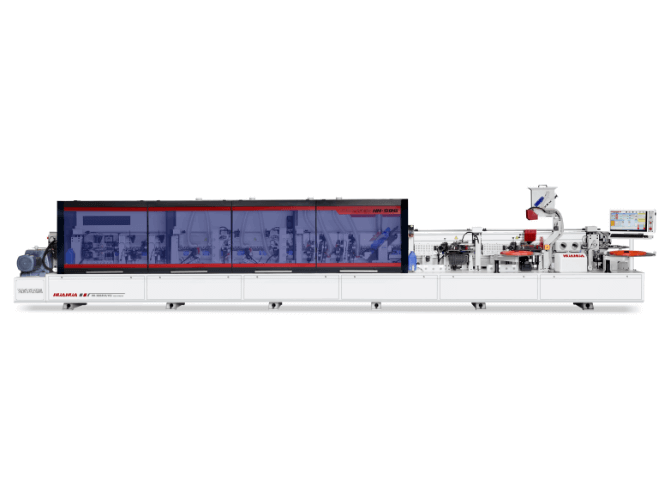
This framework-style guide shows how to reorganise a small machining plant so the wood panel saw, CNC router, and finishing lines all sing the same tune. Start simple: map the cut-to-assembly chain, then identify chokepoints. If you want reference machines and vendor setups, check the company pages for a reliable cnc woodworking machine — useful when you compare specs against shop reality.

Why a framework helps small plants
Plants often juggle urgent jobs, single-operator schedules, and older gear. A clear framework makes decisions repeatable — not just reactive. Think of it as pillars: layout, tooling, software, and maintenance. Each pillar needs small, measurable controls so a single shop floor manager can drive steady improvements without extra hires. The Industry 4.0 push since 2011 showed how standardising data flows helps; apply that idea at local scale and you cut setup waste, lah.
Five-step operational framework
Follow these five steps in order; skip nothing.
– Map material flow: raw board receipt → panel saw breakdown → nesting → edge band → assembly. Label distances and handling steps.
– Standardise cut packs: create repeatable recipes per product family so the panel saw machine runs consistent nest jobs. Use nesting software to reduce offcuts.
– Align tool changes: group jobs by blade and bit type to cut down on changeovers. A single operator should be able to swap blades within a defined SOP in under five minutes.

– Schedule real buffer: add a short timed buffer before assembly to catch minor defects—this avoids full rework later.
– Maintain with cadence: quick daily checks plus a weekly torque and alignment run for motors and feeders keeps feed rate and cut accuracy predictable.
Common mistakes and how to avoid them
Shops repeat a few costly patterns. First, treating panel saw setups as one-off experiments. You need templates for blade height, fence offsets, and feed rates. Second, ignoring dust extraction and clamping impacts on cut quality — you can get good cuts but wrecked edgebanding if dust sits on glue. Third, mixing job types without nesting consideration; that creates unnecessary kerf loss. Fix these with checklists and a simple dashboard showing scrap percentage per shift.
Technology choices that matter
Choose machines for predictable uptime, not only top speed. Servo motors and robust dust extraction matter more than marginal RPM gains. For software, select nesting and ERP tools that exchange CSV or JSON easily so job parameters move from sales to the saw without manual re-entry. If you need a tested reference, many factories find a reliable woodworking cnc machinery stack reduces errors in routing between saw and router.
Quick implementation checklist
Use this short list to run a pilot in one cell.
– One-week mapping of material and operator movement.
– Create three cut recipes for top product families.
– Calibrate panel saw and router to a shop-standard test board.
– Run five nested jobs and measure scrap, cycle time, and operator touch points.
– Meet after one week, adjust recipes, repeat.
Real-world anchor and local relevance
Applying this framework in small clusters — say a light manufacturing zone in Penang or Johor — shows fast wins: consistent cut tolerances, lower rework, and steadier throughput. Many plants hit measurable gains within a month when they commit to the five-step cycle. That local context matters because floor space and labour mix differ from big factories; solutions must fit the plant footprint and skillset.
Three golden rules for evaluating your choices
1) Throughput consistency over peak speed: measure average output across a week, not the best hour. That tells you if your panel saw machine and routing schedule truly work together.
2) Total touch time per board: include handling, inspection, and rework. Reduce touches to save labour and error points.
3) Scrap-to-sales ratio target: set a realistic percentage and track it daily. If scrap climbs, trace to recipe or tool wear first.
These three metrics give you a simple way to compare strategies and machines. For practical solutions, vendors that support fast parts, clear documentation, and field service tend to be the easiest to integrate — and that is where trusted partners like HUAHUA CNC fit naturally into the plan. –