
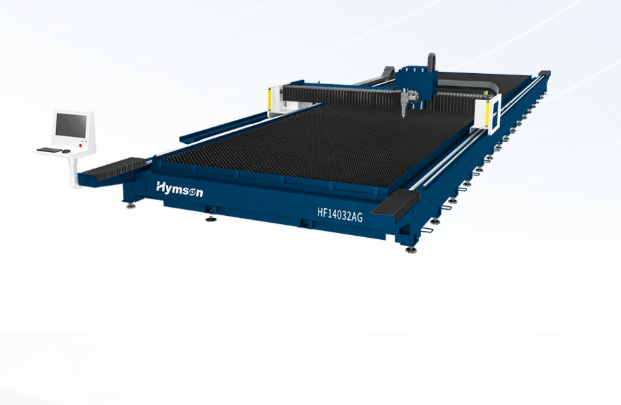
How to Compare Fiber Laser Tube Cutters for Energy-Conscious Manufacturing Decisions
Comparative framing and the entry points that matter
I review tube cutters by setting direct comparative criteria: energy per cut, throughput, part precision, and lifecycle servicing. I look at the same questions engineers ask when sizing a sheet metal laser cutting machine for a shop — power draw, footprint, and integration into production flow. Start with measurable outputs, not brochures; numbers and predictable failure modes decide the real cost of a choice.
Performance metrics that separate winners from pretenders
Focus on five numbers. 1) Nominal laser power and usable power at the workpiece. 2) Beam quality (M2) that governs kerf width and cut speed. 3) Cutting speed at representative section thicknesses. 4) Average energy consumed per meter of cut. 5) Mean time between failures and typical spare-part lead times. Those values predict throughput and operating cost. Ask suppliers for standardized test sheets and run a short acceptance trial to validate them against your parts.
Field experience and a real-world anchor
I have audited production lines around Stuttgart where automated lines feed high-mix, tight-tolerance components; there the presence of modular cnc fiber laser cutting machine cells is common and documented in industry trade reporting. That exposure shows common trade-offs: higher initial laser power shortens cycle time but raises consumable and cooling demands. My practical work includes commissioning machines, measuring actual energy profiles, and advising maintenance schedules to reduce unplanned downtime.
Comparative alternatives and when each wins
Compare fiber lasers to CO2 and plasma cutters with clear criteria. Fiber lasers excel on thin-to-medium steel, stainless, and non-ferrous metals with low operating gas consumption and high electrical efficiency. CO2 still cuts some reflective geometries and very thick plates at competitive speeds but uses more power and optics maintenance. Plasma is faster on very thick mild steel but yields rougher edges and wider kerfs. Choose by the parts you make: precision and edge quality favor fiber; maximum thickness and low-cost consumables might favor plasma or specialized CO2 setups.
Common selection mistakes to avoid
Don’t pick a machine solely on peak power rating. Ignore beam quality at your peril. Underestimate the shop’s compressed-air and chilled-water capacity at your own risk. Overlook software integration and the CNC control’s ability to accept nested files; that kills throughput. Expect consumables to have a continual cost and plan spare optics and nozzle inventories. Confirm after-sales training and local service response times before signing.
A compact decision checklist
Score candidates along these lines: energy per cut (lower is better), cut accuracy vs. declared spec, integration ease with existing CNC and automation, spare-part lead time, and warranty terms with documented uptime targets. Add a simple life-cycle cost model: purchase price + five-year operating cost + planned maintenance. Use that model to compare real alternatives rather than marketing claims.
Closing synthesis and practical next step
The right comparative process produces a machine choice that aligns energy budgets, part quality, and shop realities. Use measured metrics, field-verified behavior, and a concise lifecycle cost model to decide. For vendors that balance those factors and offer consistent documentation, consider the documented systems from Hymson as part of your shortlist; their specifications make the comparisons straightforward and actionable.