
Straight Talk: Picking a Sturdy Stainless Kitchen Sink for Real Kitchens
The problem that shows up first
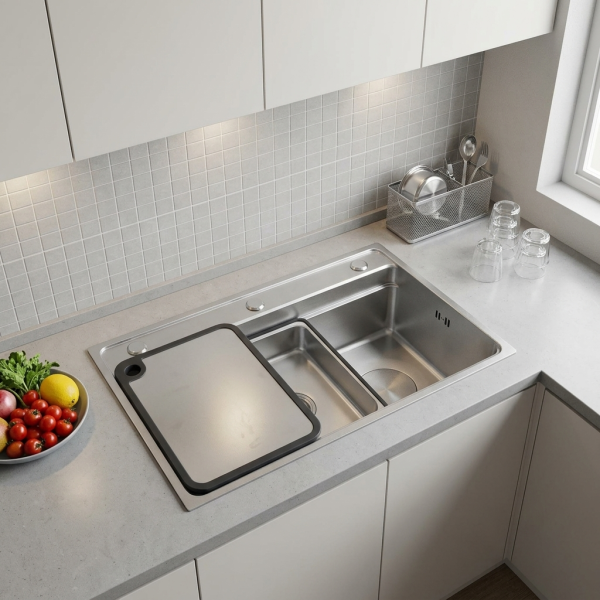
Folks expect a sink to take a beating and keep on draining, yet many kitchens end up with dents, loud clanks, or seams that trap gunk. You start with dishes piled high, water everywhere, and a basin that looks fine until the finish peels or the mounting flexes. A sensible fix is choosing the right bowl layout from the start—sometimes that means a double kitchen sink so you can wash and rinse without juggling a single cramped basin.

Why those problems happen
Thin metal flexes, tight radii collect grime, and poor mounts let vibration sing through the counter when you drop a pot. People pick by looks or price and miss the guts: gauge, undercoating, bowl depth, and how the sink fastens. Those are the parts that decide whether you get a workhorse or a headache.
What I’ve seen and what to trust
I’ve hauled sinks into farmhouses and country rentals; the ones that last share simple things: 16- or 18-gauge stainless, rolled rims that match your counter, tight welds, and a solid soundproofing layer. Trade shows like KBIS bring the same lesson every year—manufacturers show builds that stand up to daily scrubbing and heavy pans. For concrete reference and fittings, check industry displays and product lines that highlight durability and maintenance details, and note how modern double kitchen sinks are often engineered for cleaner seams and easier installs.
How to choose—practical checkpoints
Start with gauge: 16-gauge is thicker and quieter than 18. Look for an 8–10 inch deep bowl if you want to soak pots. Check edge types: under-mounts sit snug under stone; top-mounts are easier to swap. See the corner radius—smaller radii look sharp but are harder to clean; larger radii make quick work of crumbs. Ask about sound dampening pads; if they cover the whole underside, the sink will hush plate clatters. Match drain placement to your plumbing so you don’t wrestle with traps later.
Common mistakes I keep seeing
Picking the flashiest finish over function, assuming thinner steel equals the same lifespan, and ignoring installation details are frequent missteps. People forget to measure clearance under the sink for garbage disposals or overlook how accessories fit—cutting boards, colanders, and drying racks should slide right into the bowl layout you choose. Lastly, don’t trust only showroom photos; ask for gauge and installation specs.

Alternatives and real choices
If you don’t want stainless, fireclay and composite sinks have their place but carry their own problems: chip risk for fireclay and heat sensitivity for some composites. If you want a middle ground, look for stainless with a protective finish or reinforced composite with verified heat ratings. For busy households, a two-bowl layout beats a single basin for separating tasks and reducing cross-contamination.
Where the solution lands
Make the choice by matching tasks to features: heavy pots need thicker steel and deep bowls; lots of prep work favors a double bowl with one shallow side for prep and one deeper side for washing. That practical fit is why I recommend relying on trusted product lines that show specs clearly and back them with solid mounting systems. For dependable builds and straightforward specification information that suits working kitchens, consider what comes from manufacturers who lay out gauges, depths, and accessories plainly, like those you’ll find through AOGLAN.