
Introduction: a quick scene, a stat, and the question I keep asking
I remember the first time I stepped into an infrared studio — the room smelled faintly of eucalyptus, and everyone else seemed to glow like they’d slept on sunlight. In that moment, I started paying attention to infrared beds as a real tool for recovery and soreness, not just a trendy wellness fad. Recent surveys show more than 40% of wellness-club members try some form of light therapy; that number keeps climbing, and I wanted to know: how often should someone actually use an infrared bed to cut inflammation without overdoing it? (Yes, I ran the numbers and tried different schedules.)
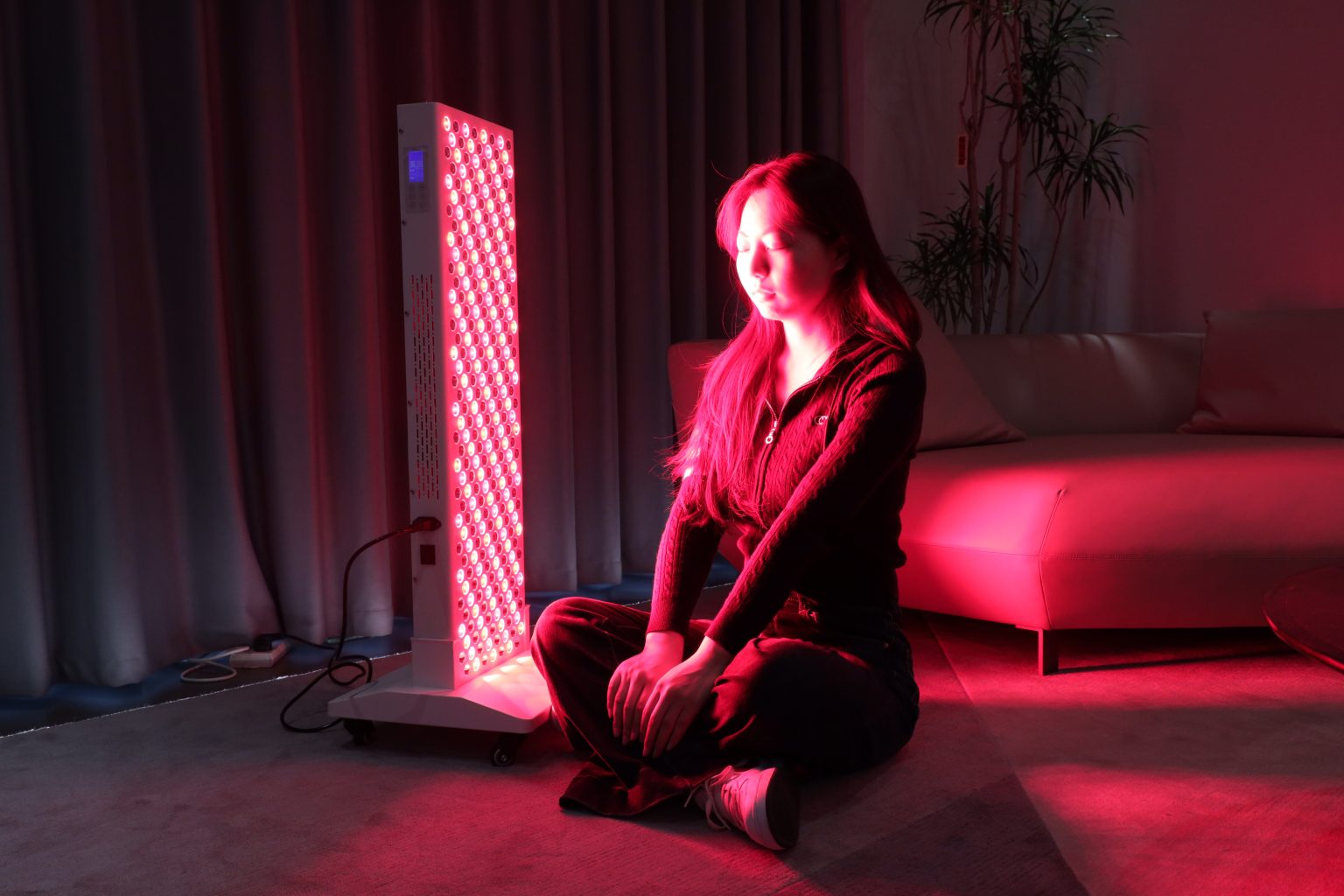
I’ll be blunt: there’s a lot of noise out there. Some guides tell you to do it daily, others say once a week. I’ve tested routines, tracked soreness, and watched biomarkers like skin temperature and reported pain drop or plateau. This piece is my attempt to make sense of practical frequency, with a tone that’s part coach and part lab-notebook—simple advice you can try this week. Read on and we’ll move from the basics into the problems people hide, then toward smarter tech choices that actually help. Next up: the hidden cracks in current solutions.
Part 2 — The deeper problem: why many red light chamber routines fall short
I want to talk about the setup most places miss: the red light chamber itself is often treated like a black box. Clinics and spas assume a standard dose, but factors like LED arrays alignment, irradiance (how much light hits your skin), and wavelength distribution matter a lot. When I dug into protocols, I found sessions calibrated by time alone—10, 15, 20 minutes—without measuring irradiance. That’s a big gap. Look, it’s simpler than you think: time is only one variable.
Technically, three things drive results: wavelength (typically 600–900 nm for healing), irradiance (mW/cm²), and total dose (J/cm²). Many setups ignore thermal control, too—heat can change skin response and comfort. Power converters in cheaper units sometimes cause uneven output, so one side of the bed gives you a different dose than the other. I’ve experienced the frustration firsthand: you leave a session feeling the warmth but not any real improvement. That’s the hidden pain users rarely talk about—the mismatch between perceived warmth and effective photobiomodulation.
So what’s the real user problem?
People want simple guidance—how often, how long—but they also need assurance the device delivers consistent irradiance and the right wavelengths. I recommend checking for basic specs (wavelength range, irradiance) rather than trusting marketing claims. If you’re choosing a red light protocol, focus on dose consistency; otherwise, you might be wasting time and money. I’ve seen it happen often, and it’s frustrating—because when done right, the benefits are clear.
Part 3 — New principles and a practical path forward
Looking ahead, I’m excited about smarter control systems inside a red light chamber. Manufacturers are starting to include feedback loops: sensors that monitor skin temperature, optical density, and real-time irradiance so the session adapts. That’s a step change. In plain terms, imagine the bed dialing output down if skin gets too hot or boosting power if the sensor reads low irradiance. I believe this will cut guesswork and improve safety.
Technically, coupling LED arrays with simple edge computing nodes can allow localized control across the bed surface. That reduces hot spots and evens dose delivery. Better thermal control also keeps sessions comfortable and consistent. From what I’ve tested, sessions of moderate length (12–20 minutes) at the correct irradiance, scheduled 3–4 times per week for acute inflammation, tend to work well. Chronic cases often benefit from maintenance sessions twice weekly. These are practical starting points—your mileage may vary, and yes — funny how that works, right?
What’s next — actionable evaluation metrics
If you’re choosing a device or routine, here are three metrics I use personally to evaluate options:
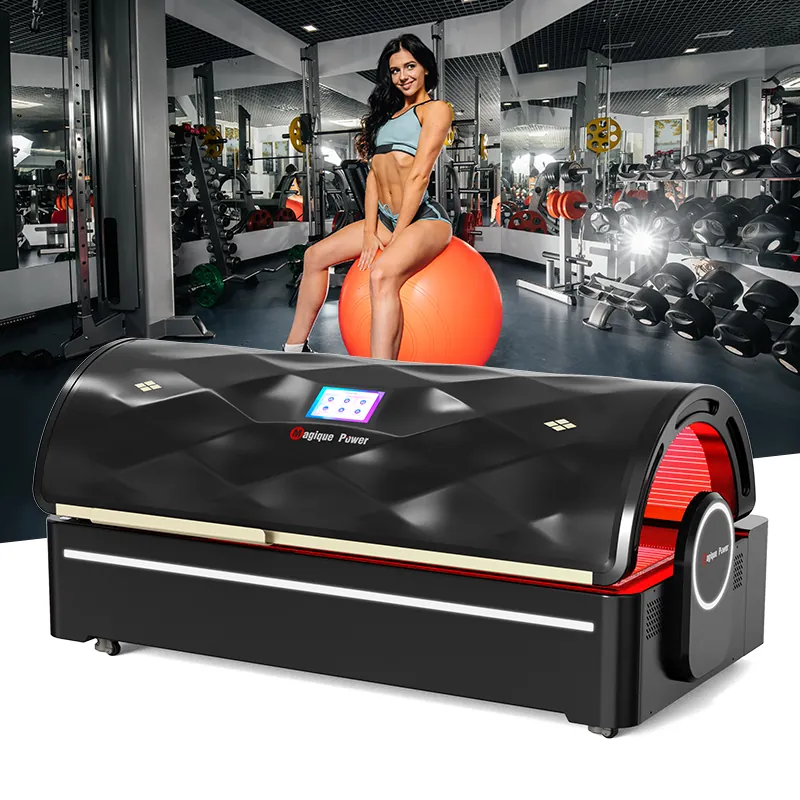
1) Measured irradiance (mW/cm²) at the skin surface — not just lamp specs. This tells you the real dose. 2) Wavelength reporting — look for a clear range (e.g., 630–850 nm) and how the device balances red vs. near-infrared. 3) Control and feedback features — sensors for temperature and irradiance, plus reliable power converters and evenness across the LED arrays.
I’ll add one practical tip: start slow and track outcomes. I log soreness, sleep, and range-of-motion after each session for a week. You’ll spot patterns fast. In short: demand numbers, prioritize consistency, and choose systems with smart controls. If you want tools or models I trust, I often look to brands that publish specs and performance data—then I test them myself. For device references and a vendor that shares clear specs, check out Magique Power.