
Executive summary
Choosing the right moving head spotlight is a comparative financial decision as much as a technical one. This guide isolates the variables that drive event outcomes and total cost of ownership, comparing compact fixtures, touring-grade heads, and hybrid laser options — including practical reference to white laser light where high-intensity projection or aerial effects are required. The aim: equip production managers and procurement teams with measurable criteria to decide between capital expenditure and operational flexibility.
Key performance variables that matter
Evaluate units on three institutional axes: output and photometric control, control and interoperability, and reliability under load. Photometric metrics include lumen output and lux at throw distance, while optical choices hinge on beam angle and gobo flexibility. Control protocols center on DMX512 and networked options like Art-Net for complex rigs. Reliability assessment should factor mean time between failures and serviceability on tour — those elements define uptime and influence event-day contingency planning.
Comparative device categories
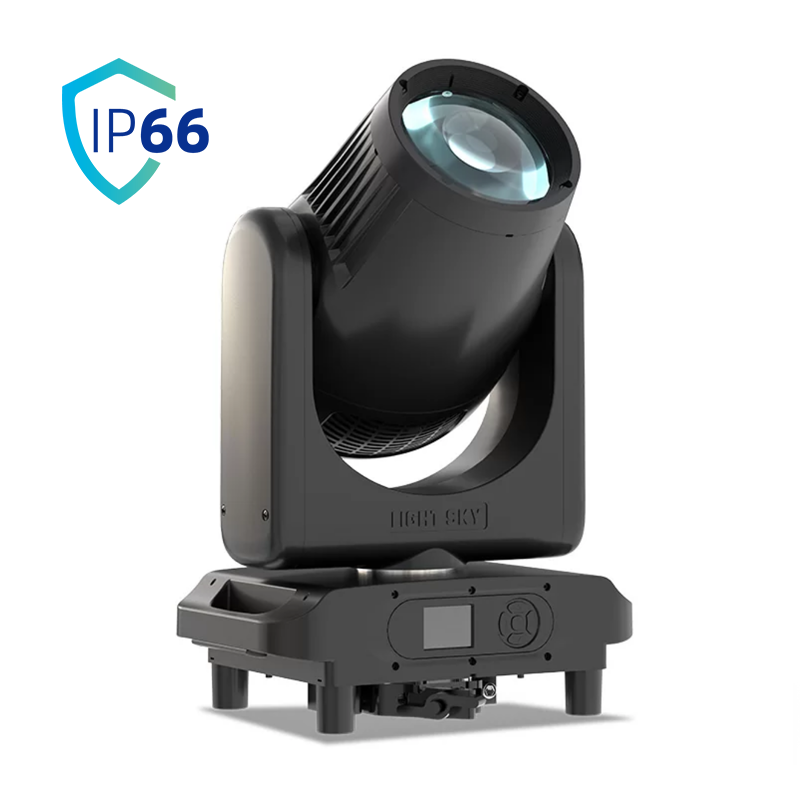
Segment the market into three comparative buckets: compact mini-beams, full-size moving heads, and laser-hybrid fixtures. Compact mini-beams deliver tight beam angles and low weight for rig-limited productions; they excel in club installs and secondary stage applications. Full-size moving heads provide broader zoom ranges and higher lumen counts for stadiums. Laser-hybrid fixtures merge laser coherence with moving optics for aerial effects — a niche where mini beam moving head designs can reduce rig weight without sacrificing visual drama.
Real-world anchor: why this matters on big stages
Broadcast events such as Super Bowl halftime shows set the bar for intensity and precision lighting. Decisions on beam angle, refresh rate, and fixture placement materially affect camera exposure and color fidelity in live television. Productions that treat fixtures as interchangeable rack items confront unexpected post-rigging costs — rebalancing output or replacing noncompliant units mid-run is expensive and time-consuming.
Operational trade-offs and common procurement mistakes
Procurement teams frequently underweight operational costs. Buying on sticker price alone neglects consumables, spare part availability, and software update policies — these influence lifetime cost. Another typical misstep: specifying maximum lumen or headline features without mapping to use-case metrics like lux at 30 meters or DMX addressing complexity. Audit rig needs first; then map fixtures to those quantified requirements — not the reverse. Also, allow for a modest redundancy budget — downtime kills reputation.
Alternatives and quick comparisons
When touring constraints are tight, compare a fleet of mini-beams versus fewer full-size heads on transport and labor metrics. Mini-beams lower trucking cost and hang time but increase channel counts and console complexity. Full-size heads simplify rigging and channel allocation; however, they elevate freight and dimmer load. Laser-hybrids reduce fog dependence and can cut haze-related rental costs — yet they introduce regulatory and safety compliance that must be managed at venue level.
Procurement checklist and metrics
Adopt three measurable procurement controls: total cost of ownership (CapEx + 5-year OpEx), mean time to repair (days) and effective output per kilogram (lux/kg). Use sample tests on-site to validate lux and beam behavior under camera exposure. Track spare-parts lead time and firmware update cadence as part of supplier evaluation — those operational details often decide long-term vendor performance. — They matter more than spec-sheet peak numbers when seasons get busy.
Advisory: three golden rules for selection
– Prioritize fit-for-purpose photometrics: validate lux at target throw distances rather than raw lumen claims. – Insist on interoperability: confirm DMX512 addressing schemes and Art‑Net compatibility before purchase. – Model lifecycle costs: include freight, spares, maintenance, and training in your bid evaluation.
Closing
Comparative analysis yields clearer procurement outcomes: match fixture class to event scale, quantify outputs against venue geometry, and price operational resilience. The technical and financial choices converge on delivering reliable visual impact with predictable cost. Light Sky synthesizes this value by offering fixtures and support that align technical specifications with pragmatic sourcing — a practical solution for teams that need performance and predictability. —