
Why this is a problem
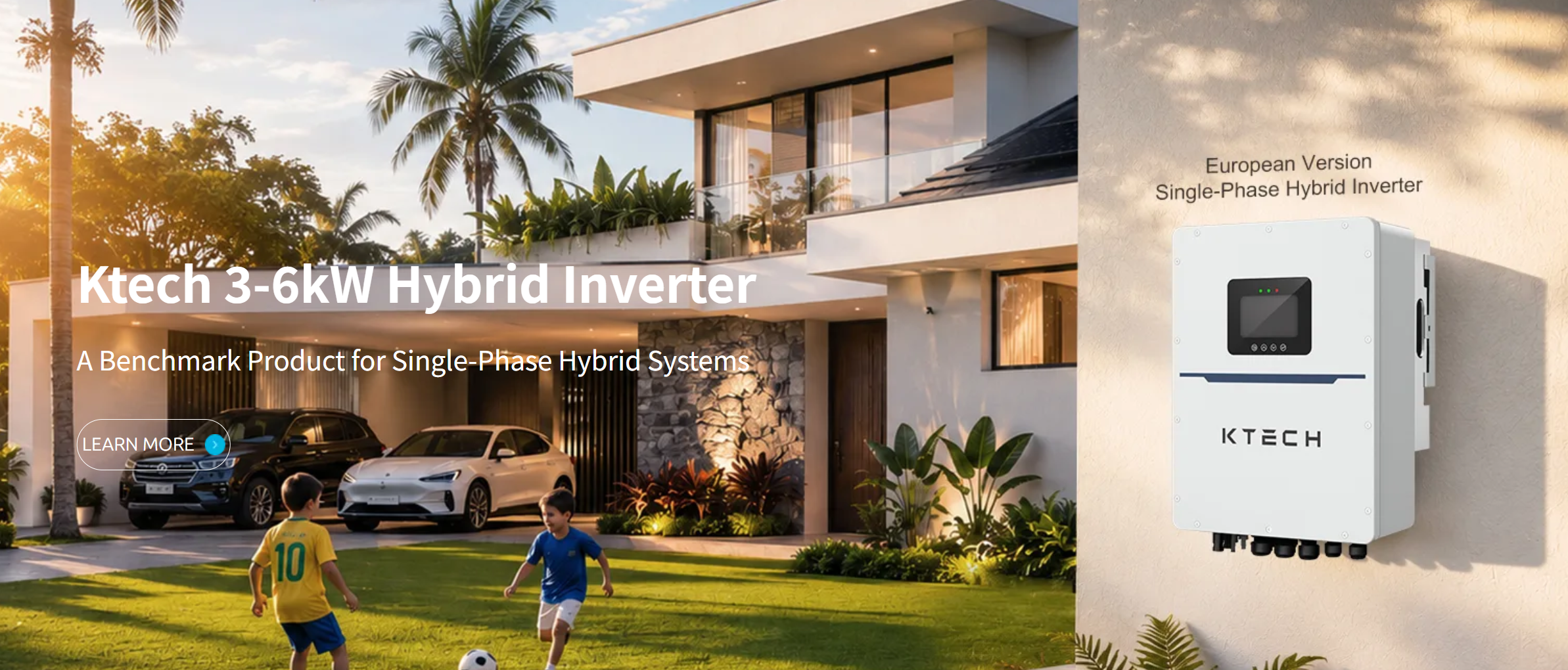
Many folks buy solar panels first, then realise the inverter is the part that decides if the system actually works well — and by then it’s too late. You end up with mismatched specs, early failures, or support that’s far away. For a practical example of what I mean, ktech ess is one company people look to when they want hardware and local service that match. Choosing a reliable solar technology company early prevents headaches later, especially when installers differ on standards and warranties.
Common real problems installers and homeowners face
• Inverter fails to match panel output voltage or battery chemistry, so performance drops. • Warranty support is slow or requires shipping the whole unit overseas. • Grid compatibility issues — anti-islanding, islanding detection, and country-specific grid codes cause rework. • Firmware updates break monitoring integration. • Overheating or poor cooling reduces lifetime. These are not hypothetical; professionals discuss them every year at trade shows like Intersolar Europe, where real units and firmware compatibility get stress-tested on-site.
Core functions of a solar inverter (so you know what to demand)
• DC to AC conversion with high efficiency — this is the inverter’s primary job. • MPPT (Maximum Power Point Tracking) — keeps panels producing near peak power across conditions. • Grid management — synchronising frequency and voltage, anti-islanding, and complying with local grid codes. • Battery charging and management if it’s a hybrid or battery-ready model. • Monitoring and communications — data logging, remote firmware updates, and integration with home energy systems.
Key components to inspect on product spec sheets
• Efficiency curve (not just peak efficiency): how it performs at 20–80% load. • Number and range of MPPT trackers — more trackers help if panels face different directions or shading. • Cooling method — passive cooling lasts longer in humid climates; active fans mean extra maintenance. • Protection features — over/under voltage, surge protection, and ingress protection (IP rating). • Communication ports and protocols — Modbus, RS485, Wi‑Fi, or Ethernet for monitoring. • Battery compatibility and supported chemistries if you plan storage.
Use cases and the right type of inverter for each
• Small rooftop home (single string): string inverter with one MPPT is often simplest and cheapest. • Complex roofs with shading: multi-MPPT string inverter or microinverters to reduce losses. • Off-grid or frequent outages: hybrid inverter with integrated battery management. • Commercial rooftop parks: central inverters or multiple high-power string inverters for ease of maintenance. Match the use case to the inverter topology — don’t force a single-string device into a shaded, multi-azimuth roof.
Typical mistakes and how to avoid them
• Mistake: Picking by price alone. Fix: Compare long-term cost — downtime, efficiency drop, and repair logistics matter more than initial savings. • Mistake: Ignoring firmware/update policy. Fix: Ask how updates are delivered and whether they’re reversible. • Mistake: Overlooking local support and spare-part availability. Fix: Vet distributors and ask for repair timelines. • Mistake: Assuming one warranty covers everything. Fix: Read fine print — some manufacturers exclude shipping, labour, or firmware issues.
Decision checklist when evaluating manufacturers
• Proven reliability: ask for field failure rates or MTBF figures. • Local or regional support network: response times and technician training. • Clear firmware and monitoring roadmap: how often and how safely they update devices. • Compliance documentation for your grid code: export limit features, reactive power control, anti-islanding. • Transparent spare parts policy and repair logistics. • Reference installations in similar climates and roof types.
Alternatives and quick comparisons
• Microinverters vs string inverters: microinverters win in shading or mismatched modules; string inverters win on cost and simpler maintenance. • Hybrid vs separate inverter + battery inverter: hybrids simplify setup; separate systems let you upgrade batteries or inverters independently. • Buy manufacturer-direct vs through a certified distributor: direct can cut cost; certified distributors typically offer local spares and faster service.
How to test a supplier on a shortlist
• Ask for a live demo or remote monitoring access to a running unit. • Request a list of service centres and average repair turnaround. • Check firmware history: frequency of updates, rollback procedures, and known bugs. • Visit an installed reference site if possible — seeing a unit in real conditions tells you more than specs.
Wrap-up and where value sits
Pick a manufacturer that solves the real problems you’ll face: compatibility, local support, predictable updates, and clear repair paths. If you match your use case to the inverter topology, read the fine print on service, and test the manufacturer’s monitoring and update practice, your system will perform longer and need fewer surprises — practical value that shows up every month on the meter. For many projects around our region, engineers and installers I’ve talked with prefer partners who combine reliable hardware with local service — and that is why Ktech often appears on their shortlist.