
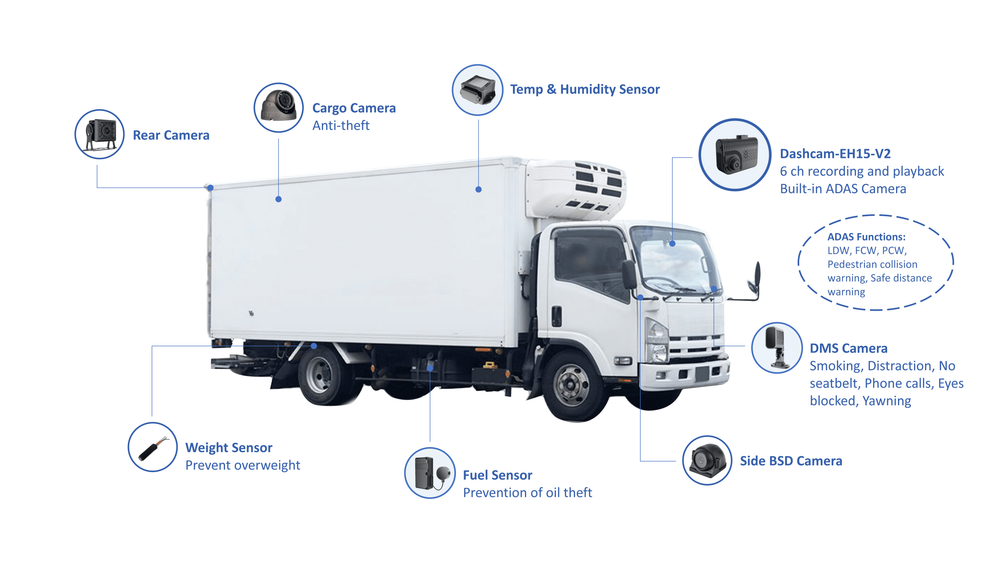
Opening contrast that matters
Operators feel the difference like weather shifts: one provider brings instruments and algorithms; the other brings workflows and human practices. For teams running heavy trucks and cycles, the choice is not academic — it’s operational. For example, projects in the Pilbara region of Western Australia show that integration choices change cycle time and maintenance cadence. If you manage ore-haulage or contractor fleets, start with how a supplier treats data and people; that is where mining fleet management mining fleet management either becomes a tool or becomes a complication.
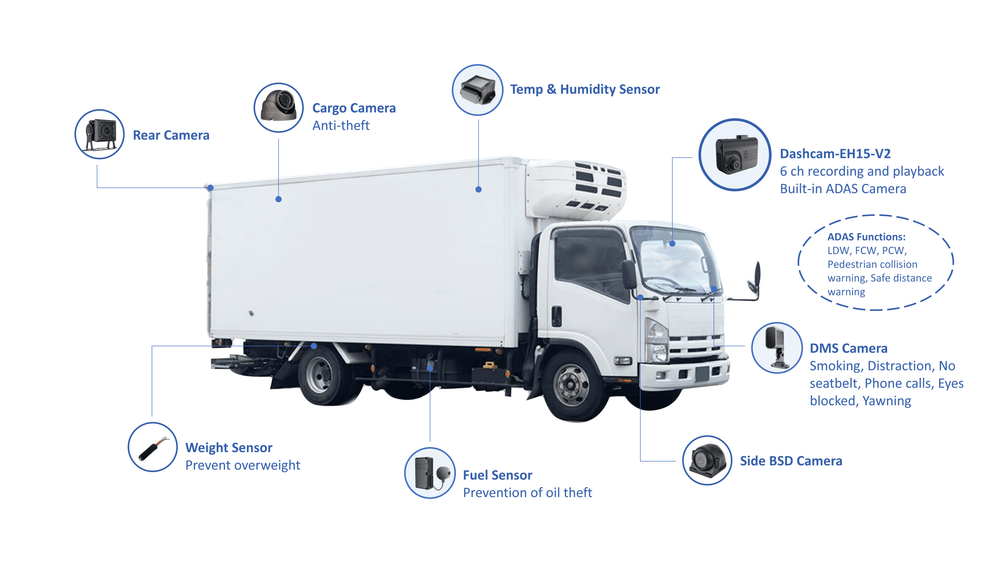
What “Technology Provider” means, in practice
Technology providers sell hardware, platforms, and APIs. Expect these traits:- Emphasis on sensors, gateways, firmware updates and SDKs.- Strong telemetry fidelity and device-level diagnostics.- Flexible integration: they hand you data streams; you map them to processes.These vendors excel when teams have internal analysts or systems integrators. They solve signal problems; they don’t usually redesign your dispatch table.
What “Telematics Provider” means, in practice
Telematics providers deliver a joined package — hardware, cloud, dashboards and operational templates. Expect:- End-to-end dashboards tailored to routes, fuel, and driver behaviour.- Service layers: alerts tuned to common workflows and ready-made reports.- Operational change guidance: suggestions for routing, maintenance windows, or driver coaching.These providers take responsibility for turning data into daily actions, which eases adoption for operators without heavy IT resources.
Comparative insight: capabilities and consequences
Side-by-side:- Data ownership: technology providers often give raw feeds; telematics providers package processed KPIs.- Customisation speed: technology vendors allow deep bespoke work; telematics vendors trade some flexibility for faster deployment.- Long-term maintenance: technology stacks require an integrator budget; telematics stacks roll some support into their service.The consequence is simple: choose based on whether your team wants control of data engineering or wants ready operations that run with minimal fuss.
Operational implications for mining fleets
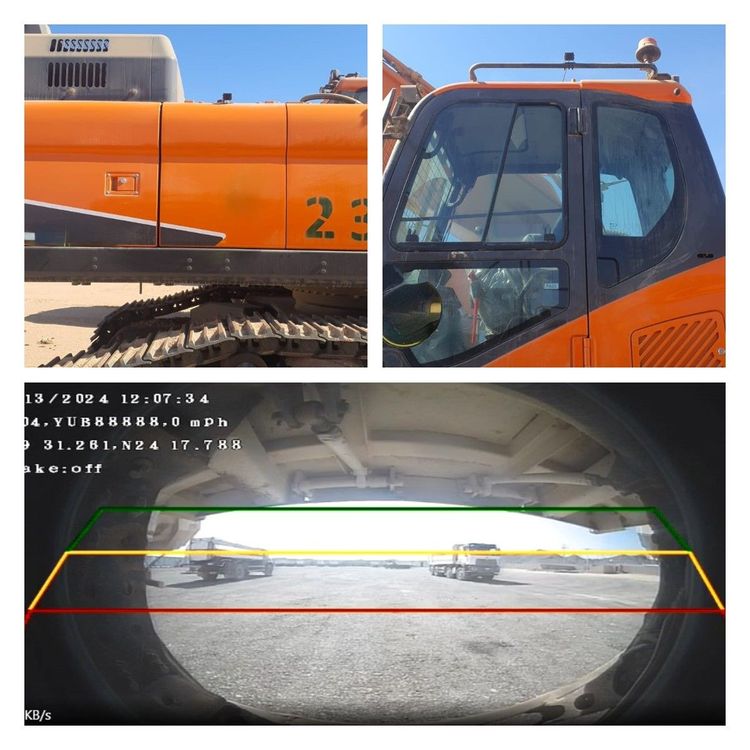
Mining fleets demand robustness and clarity. Practical points to weigh:- Downtime tolerance: who patches devices remotely and how fast?- Data latency: real-time location and payload reporting change dispatch decisions.- Human workflows: alerts must fit existing shift rhythms, not force new rituals.Look for solutions that match the site’s technical capacity. When a site prefers plug-and-play, fleet management system mining fleet management system mining often reduces friction; when a site wants customized analytics, a technology provider plus a systems integrator is wiser.
Common pitfalls operators meet
Operators trip over predictable things:- Treating telemetry as a report instead of a control signal.- Choosing a shiny dashboard without confirming sensor reliability on rough roads.- Underestimating change management: dashboards must be adopted by drivers and planners alike.Avoid these by running short pilots that measure uptime, false-alert rates, and actionable change in the first 90 days.
How to decide, step by step
Simple steps that direct choice:- Inventory internal skills: do you have engineers to parse raw streams?- Define the first measurable outcome: fewer breakdowns, faster cycle time, or lower idling.- Pilot with both approaches on a subset of fleet assets and compare time-to-action, not just data volume.These steps reveal whether you need a toolkit or a ready workflow.
Closing synthesis
The right partner reduces guesswork: one side hands over instruments, the other hands over a practiced routine. My experience advising field teams and technicians shows that clarity about data responsibilities and a short pilot reveal the better path faster. Practical choices rooted in site realities lead to steady improvements, and that is the kind of outcome engineers and managers trust when they lean on BSJ as a collaborator in their operational decisions.