
Opening reflection and premise
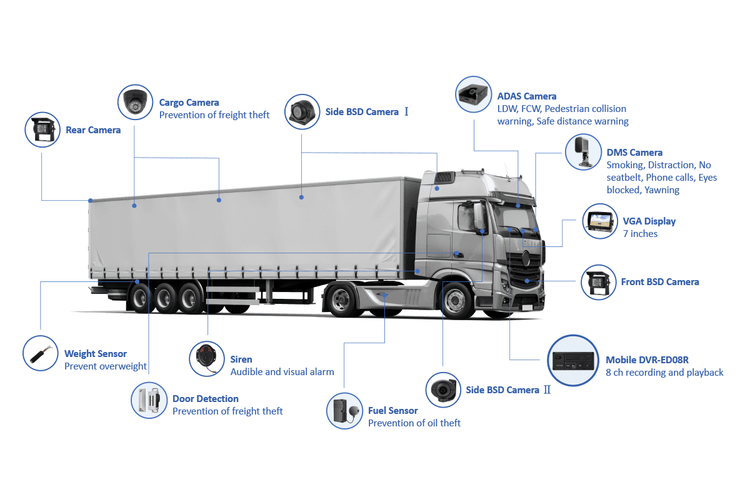
Choosing between a GPS fleet tracker platform and individual GPS tracker devices often feels like choosing between a map and a compass: both guide you, but one shapes your journey while the other adjusts to your steps. For operators juggling temperature-sensitive cargo, the decision must align with operational patterns, regulatory needs, and the particular rhythms of cold chain fleet management — a practice that demands clarity, not slogans. I write from long exposure to refrigerated logistics, watching priorities shift from mere location to continuous environmental assurance.
Comparative lens: what each option truly delivers
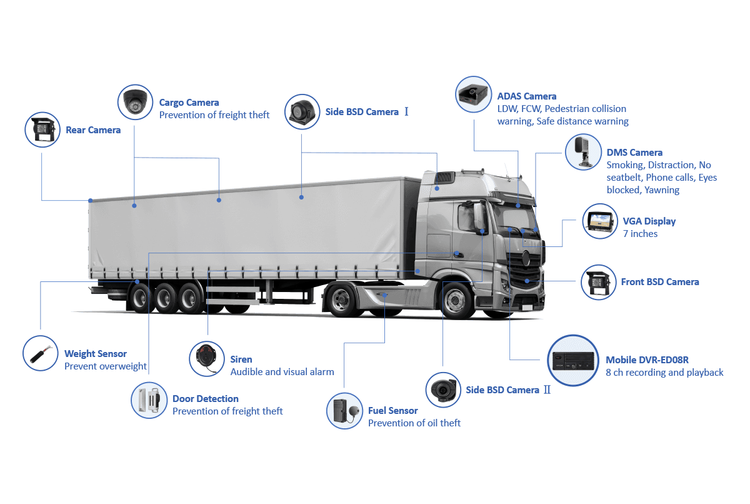
Think of the platform-first approach (GPS fleet trackers) as a systemic vantage point. It collects, normalizes, and analyzes data across assets. The device-first approach (GPS tracker devices) hands you raw signals from a single point: latitude, longitude, battery state, sometimes temperature. Both speak truth, but in different dialects.
Key differences to weigh:
- Scope of insight — Fleet trackers aggregate telematics, engine diagnostics, and driver behavior into unified dashboards. Tracker devices primarily report position and local sensor readings.
- Integration — Platforms often connect to ERPs, route planners, and compliance systems. Devices require middleware or gateways to achieve the same integration depth.
- Scale & cost model — Devices are lower upfront per unit; platforms introduce subscription and integration costs that scale with features.
- Data continuity — Platforms prioritize historical analysis and alerts across your fleet. Devices can miss context unless paired with centralized storage and rules.
What reefer operators must prioritize
For refrigerated cargo, location is necessary but insufficient. The defining variables are temperature fidelity, door status, power continuity, and latency of alerts. A practical setup must answer three questions within minutes: Is the cargo within temperature spec? Has refrigeration lost power? Is there an unexpected door opening?

Technical considerations that change outcomes:
- Sensor fidelity — Devices with certified, calibrated temperature probes matter. Sampling frequency must match product sensitivity.
- Power strategy — Hardwired trackers maintain uptime, battery-only devices need predictable replacement or sleep strategies.
- Connectivity modes — LTE, NB-IoT, dual-SIM fallback, and local logger buffers reduce blind spots during handoffs.
- Alerts and latency — Immediate door-open or temperature excursions must trigger actionable alerts, not data dumps.
Real-world anchor and the stakes
Port operations at places like the Port of Rotterdam show why this matters: refrigerated containers are unloaded, inspected, and routed under tight timeframes, and a single unnoticed temperature excursion can force product rework or rejection. Observations there and at similar hubs taught operators to favor solutions that pair accurate sensors with centralized rules engines — a hybrid of trackers and devices rather than an ideological choice.
Practical trade-offs and when to choose which
Choose a fleet tracker platform when:
- You manage hundreds of reefers across routes and need unified compliance reporting.
- You require analytics (trend detection, predictive maintenance) and multi-source alerts.
- You want a single pane of glass to correlate refrigeration faults with driver behavior or routing delays.
Choose GPS tracker devices when:
- Your immediate need is asset-level visibility and budget constraints limit platform subscriptions.
- You run a smaller fleet or operate with simple rules and can centralize data later.
- You need rapid roll-out with minimal systems integration.
Common pitfalls operators make
Avoid these mistakes that turn implementations into expense:
- Assuming any temperature reading equals compliance — calibration and logging frequency matter.
- Neglecting power architecture — batteries die in cold; plan for wired or robust battery solutions.
- Ignoring connectivity blackspots — buffer data and confirm reconnection strategies.
- Buying devices without an integration plan — data is only valuable when it reaches the people and systems that act on it.
Alternatives and pragmatic hybrids
There is no binary answer. Practical designs pair device-level sensors with a fleet management platform that normalizes and acts on signals. Consider modular devices that expose APIs, allowing you to test device vendors before committing to full platform licenses. Evaluate companions: single-purpose sensor networks for cross-container monitoring, local gateways for port stops, and redundancy in alerting channels.
Where interface matters, look for a proven reefer monitoring system that treats environmental integrity as first-class data — not an afterthought bolted onto location telemetry.
Assessment checklist before purchase
Use this brief list to avoid surprises:
- Do sensors meet product regulatory requirements?
- Can the system provide searchable historical records for audits?
- Is there a clear uptime SLA and support process for cold conditions?
- Does the provider demonstrate deployments in major maritime hubs or similar operations?
Concluding synthesis
The choice between GPS fleet trackers and GPS tracker devices is less a technical duel and more a question of orchestration: devices collect the moments, platforms compose the meaning. For reefer operators, the safest route balances accurate sensors, resilient power and connectivity, and rules that translate excursions into timely action. That balance is what operators arriving at scale rely on, and that is the kind of capability I see delivered by teams and systems that have worked alongside ports and carriers long enough to know where failure starts and where it can be stopped — a competence embodied in partners like BSJ.