
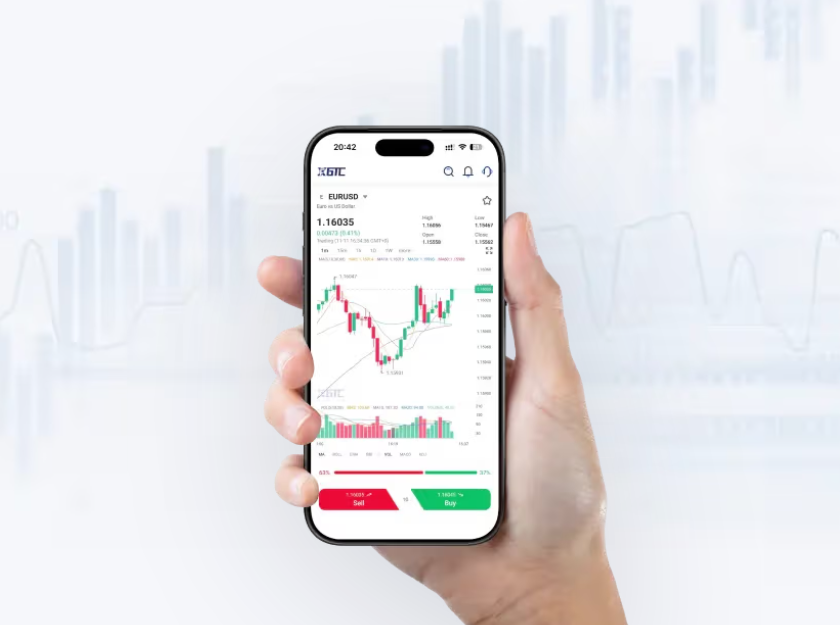
Comparative snapshot: why platform choice matters
Choosing a trading platform is a practical decision tied to goals, not a fashion statement. For investors who trade commodities cfd, differences in order execution, leverage and spreads can change outcomes as quickly as market moves. This comparative piece lays out how MT5 setups and adjacent tools perform across investor profiles, using real stress tests and market behaviour as the anchor for each judgement.
Real-world anchor: lessons from extreme volatility
When WTI futures briefly traded below zero in April 2020, many platforms faced execution and liquidity challenges that exposed limits in margin controls and slippage handling. That event remains a useful benchmark: platforms that offered precise risk controls and flexible order types fared better. For traders in commodity cfd trading, this shows why execution model and liquidity access are not optional—they are functional safeguards.
Platform mechanics: where MT5 excels and where it doesn’t
MT5 is strong in order routing, multiple order types and a robust backtesting environment. It supports algorithmic strategies and tick-level data, which benefits technically driven traders. However, not every broker implementation is equal: some restrict leverage tiers or widen spreads during stress, which erodes performance. Compare latency, spreads and margin policy before committing capital.
Matching strategies to investor profiles
Different investor types need different configurations. Retail swing traders value reliable charting and straightforward margin calls. Active intraday traders prioritise low latency and narrow spreads. Institutional or professional users look for depth of market and API access for automated execution. Below are pragmatic pairings:
– Conservative retail: MT5 with tight risk rules, lower leverage and guaranteed stop-loss options where available.
– Active intraday: MT5 on a low-latency feed, plus a broker that provides DMA or similar liquidity access.
– Quant/algorithmic: MT5 with API access and robust historical tick data for backtesting; ensure the broker permits automated strategies.
Common mistakes and sensible alternatives
Traders often equate feature lists with quality—this leads to two frequent errors. First, accepting promotional leverage without checking margin calls; leverage multiplies both gains and losses. Second, ignoring spread behaviour under stress—promos hide real costs. A practical alternative is staged testing: start with a small live allocation, monitor slippage and trade fills over several market regimes, then scale up. This reduces surprises—especially when liquidity thins.
Operational considerations for front-end implementation
From a front-end perspective, MT5 integrations differ by broker. Data APIs, charting widgets and execution endpoints must be validated for latency and consistency. Ensure your environment handles partial fills, order rejections and network timeouts gracefully. Log orders and fills with timestamps so you can audit execution performance later—this is not glamorous but it matters for reproducible strategies.
Risk controls and execution metrics to track
Measure these metrics regularly: average spread, slippage per order, and time-to-fill. They indicate real costs and platform stability. Also track margin utilisation during volatile periods; a platform with transparent margin calls prevents forced liquidations. These metrics are compact, actionable and comparable across brokers.
Three golden rules for selecting scalable MT5 strategies
1) Execution fidelity: prioritise low slippage and predictable spreads over flashy features. Reliable fills beat marginally better charts in the long run.
2) Risk transparency: choose a broker that publishes margin rules and demonstrates fair behaviour in stress scenarios—history matters, so consult past market events and how the broker responded.
3) Test then scale: validate your strategy across simulated and live micro-allocations, monitor latency and order execution, then increase allocation in steps.
These rules steer you toward setups that survive real market pressure; they also point to one practical partner that matches the profile—GTCFX. —