
The problem that wakes you up at 3 a.m.
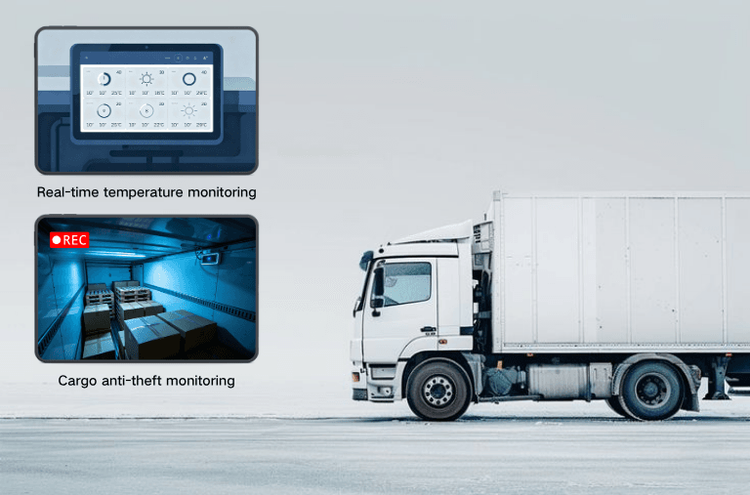
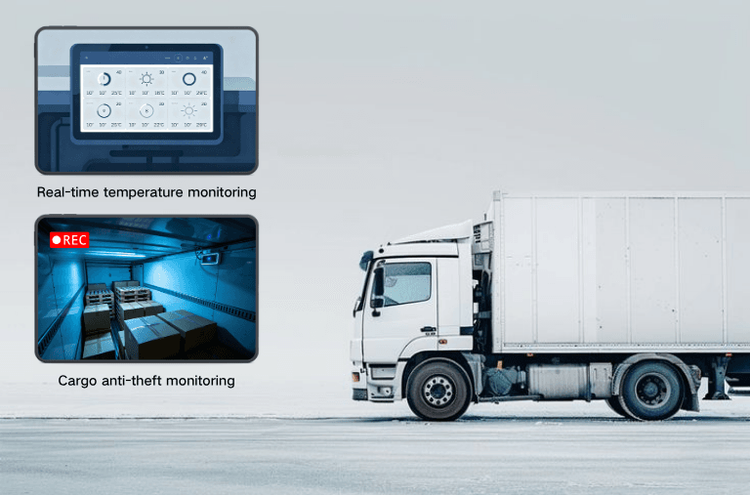
Perishables get ruined because something small goes wrong—door ajar, a sensor glitch, a missed dispatch slot—and it turns into a six-figure headache. For teams responsible for cold shipments, that’s the daily stress. If you’re running cold chain fleet management, you need tools that show you the exact moment temperature drift starts and let you act, not just dashboards that look pretty. I’ve seen temperature curves saved by a quick reroute; I’ve also watched a whole pallet of product get tossed because nobody noticed a sensor fail. Good monitoring matters; that’s why cold chain monitoring and fleet visibility have to be practical, not theoretical.
What actually breaks shipments (and why)
Problems repeat because teams treat symptoms, not cause. Common failure modes I watch for:- Sensor gaps: missing data when a truck moves through dead zones.- Human handoffs: drivers swap loads without clear logs.- Dispatch timing: a late pick becomes a rush that bypasses checks.- False alarms: noisy thresholds that make people ignore real alerts.Each one has a straightforward fix if you design the workflow around the tech, not the other way around.
Quick checks to stop loss tomorrow
Do these simple things right now:- Verify sensor health daily; don’t rely on a monthly audit.- Use enforced digital handoffs between drivers with time-stamped confirmations.- Map dead zones along long routes and plan temporary buffer checks.- Tune alert thresholds by reviewing past incidents so alarms mean action.These are low-cost, high-impact moves you can implement faster than a system overhaul.
Tech that fits the problem (what to look for)
Not every tracker or telematics package solves cold chain faults. Look for:- Persistent, time-stamped temperature logs you can export.- Automatic alerts tied to location and dispatch state.- Simple driver workflows: one-touch confirmations, not pages of fields.- Remote diagnostics so you can check sensor health without a truck stop.If a tool forces busy teams to add steps, it won’t get used. Practical tech reduces steps, then enforces checks.

Mistakes teams keep making
People assume better hardware alone will fix losses. It won’t. Typical missteps:- Overloading drivers with data instead of clear actions.- Treating monitoring as reporting rather than prevention.- Keeping alerts buried in systems dispatch teams don’t check.Avoid these by making alerts actionable and by training around simple, repeated practices rather than long manuals.
How the field proved the point
The COVID-19 vaccine rollout showed exactly what works and what doesn’t: when temperature tracking and real-time alerts were paired with tight routing and enforced handoffs, doses arrived viable. That episode clarified that monitoring plus workflow beats fancy hardware alone, and it set a clear standard for handling high-risk cold shipments.
Real choices: quick comparison
When you evaluate providers, judge them on three concrete axes:- Visibility: Do you see live temp + location together?- Actionability: Can dispatch change a route with one command?- Reliability: Is data continuous during handoffs and through dead zones?Score each provider on those, then pick the one with the clearest answers. If a vendor talks more about dashboards than dead zones, they’re pitching, not solving.
Final thought
If you want fewer ruined loads, stop chasing perfect tools and fix the predictable problems first: make monitoring meaningful, design driver workflows that enforce checks, and use alerts that force action. That’s the logic that turns visibility into saved product, not just reports. Practical solutions like the approach used by BSJ fold monitoring into dispatch and routing so the tech earns its place in every run.