
Why most sourcing plans fail before they start
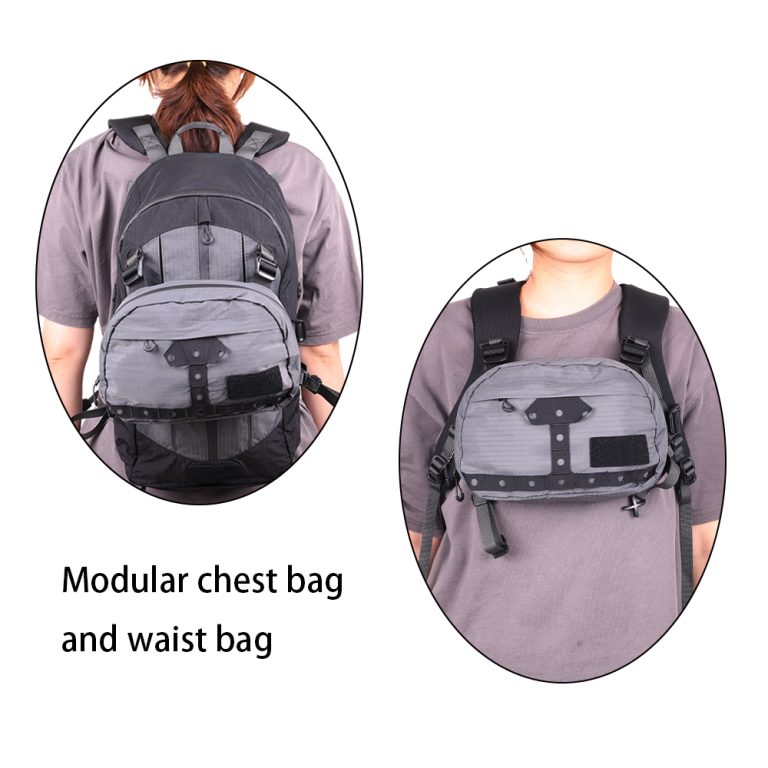
Buyers promise design precision and cost control, then watch specifications blur in the handoff to factories. The result: delayed shipments, mismatched dimensions, and features that don’t translate from CAD to shelf. You need products that behave exactly as described — not hopeful prototypes. A well-built modular backpack proves how tolerances, component selection, and clear technical packs change outcomes. Demand clarity. Demand repeatability.
Pinpoint the root causes — and stop firefighting
Problems stem from a few avoidable sources: vague technical packs, insufficient sample cycles, and mismatched expectations about materials and testing. Suppliers will mirror what you deliver on paper. If your spec sheet skips zipper tooth size, water-resistance method, or module attachment tolerances, the factory fills in the blanks — often in ways that save them time or cost. Fix the input, and you fix the output.
Hard, actionable vetting steps that work
Start with a two-tier sample process: a fit-for-purpose prototype, then a pre-production run that uses your final materials and hardware. Require dimension tables with tolerance ranges for every panel. Inspect stitching lines per 100 mm and request photos of seam allowance and bar-tack density. Ask for test reports — not generic certificates — showing the same SKU passed the exact pull, abrasion, and water-resistance tests you care about. Use staged payments tied to verified milestones so incentives align.
Experience, expertise, and trustworthy signals
Real partners anchor claims in verifiable contexts. At the Canton Fair in Guangzhou, major buyers publicly compared modular vs. expandable designs and prioritized vendors who demonstrated consistent lab testing and transparent supply chains. That marketplace feedback maps to product choices like the Expandable Backpack, where modular construction and tested materials matter for long-term performance. Choose vendors who can show the same specimen, tested, and traceable to a production lot.
Common pitfalls buyers keep repeating
Relying solely on showroom samples. Accepting “we’ll fix it in production.” Skipping third-party testing because it “costs time.” Folding MOQ negotiations into technical compromises. Each shortcut saves money now and costs trust later. Stop treating samples as marketing props. Treat them as contracts.
Alternatives and trade-offs you should weigh
OEM gives full control over specs but requires heavier upfront documentation and stronger QA. ODM speeds time-to-market with established designs but limits customization unless you negotiate tooling and material clauses. Domestic sourcing shortens lead time but can raise price. Hybrid sourcing — designing in-house, prototyping with a trusted China factory, and doing local final audits — balances speed, cost, and control.
What to insist on right away
Require a tech pack that includes BOMs (with vendor codes), tolerances, seam-by-seam stitch counts, and explicit hardware brands or equivalents. Insist on photos of pre-production samples labeled with lot numbers and date stamps. Add a simple acceptance protocol: measure three points per panel and allow no more than the agreed tolerance. Put dispute resolution language into the contract tied to photographic and test evidence.
Where this leads — a clear outcome
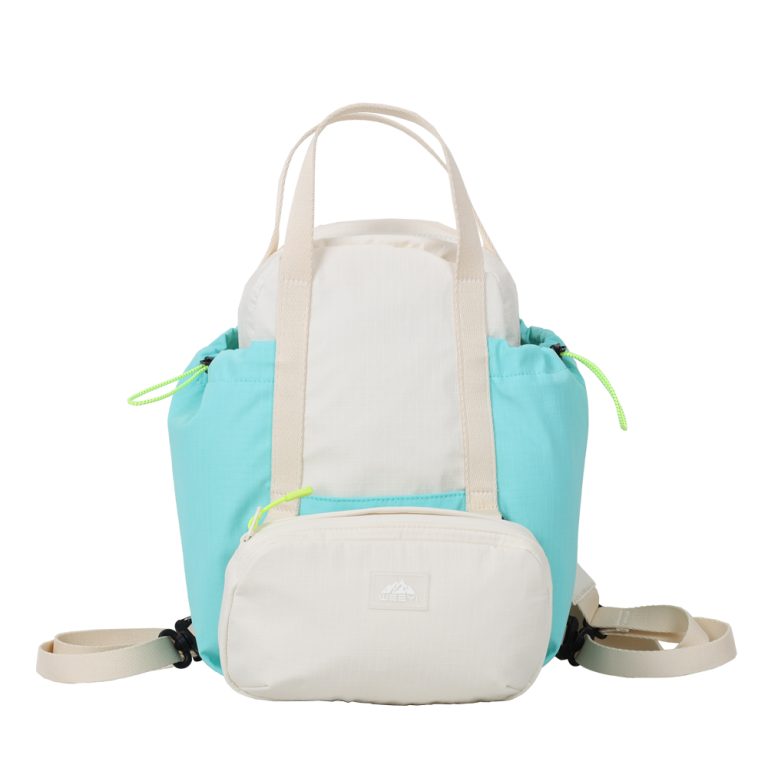
Fix the specifications and the rest follows: consistent quality, predictable lead times, and fewer costly reworks. For buyers steering complex builds toward reliable production, experienced partners who document every step are the difference between chronic headaches and steady growth. That practical reliability is exactly what teams building modular, expandable, and custom packs expect from a manufacturing partner like ChangRong.