
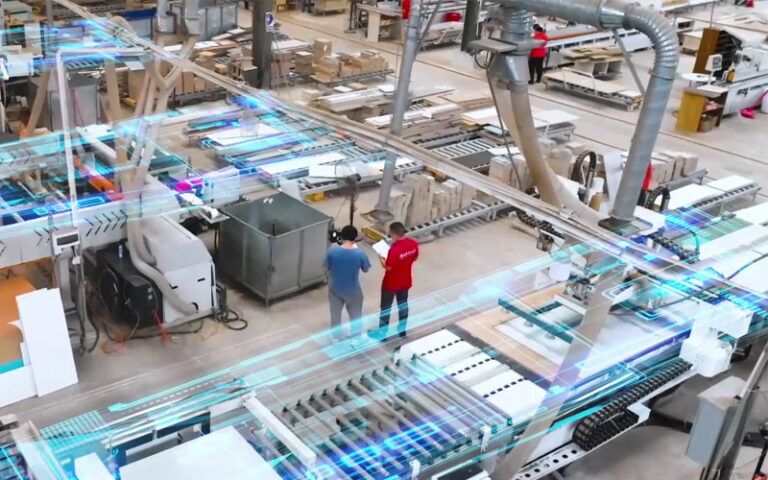
The problem: equipment doesn’t equal output
Many shops assume that buying a new cnc furniture machine will automatically raise output and cut labor costs. That’s wrong. The real problem is not the hardware itself but the mismatch between machine capability, shop layout, operator skill, and production flow. You can place identical routers in two neighboring plants and watch one double throughput while the other struggles with downtime, scrap, and bottlenecks. The argument here: regional integration decisions must solve bottlenecks, not just add equipment.

Why regional integration often fails
Start with three rooted faults. First, procurement is siloed—machines arrive with little regard for common tooling, software standards, or spare parts. Second, workforce readiness is underestimated; programmers and operators need practice and frameworks, not just manuals. Third, logistics and material handling are left unchanged, so CNCs become islands rather than line elements. These points show that poor integration converts a potential productivity boost into complexity and cost.

What successful regional integration looks like
Fix the flow. Successful integration treats CNCs as nodes in a local production network: standardized tool libraries, shared nesting strategies, common CAM templates, and a clear material route from cutting to assembly. Prioritize predictable takt time over occasional peak throughput. Use local supplier agreements for tooling and quick spare delivery. Train a core group of technicians who rotate between nearby plants to spread best practices. This is how you convert machine capability into steady gains.
Alternatives and trade-offs: centralized vs distributed CNCs
There are two defended positions. Centralized CNC parks concentrate expertise and reduce capital redundancy but create transport time and single-point failure risks. Distributed regional cells shorten material travel and foster faster iteration with designers and local customers but require duplicated maintenance capability. The practical middle ground: regional clusters with shared technical teams and standardized systems so expertise travels, not only the parts.
Common pitfalls to avoid
Don’t over-automate a broken line. Avoid buying top-spec machines to solve poor scheduling, inaccurate fixtures, or inconsistent panels. Don’t neglect simple controls: tool-life tracking, fixture repeatability checks, and basic PLC integration. Resist the urge to deploy the newest CAM features before operators are comfortable with basics. These mistakes convert investment into recurring headaches.
Real-world anchor: regional context matters
Look at production patterns from the Pearl River Delta and cities like Dongguan, Guangdong—regions long known for high-volume furniture work—where experience with clustered suppliers and short material runs shaped pragmatic integration strategies. Lessons from these hubs of cnc furniture manufacturing are simple: align tooling, staff, and transport within a walkable radius and you cut hidden non-cut time dramatically.
Implementation checklist: practical steps
Start with a short audit: map cycle times, identify the longest delays, and list common causes of scrap. Standardize fixtures and tool lists across the region. Run a two-week pilot where one operator set owns programming, tooling, and maintenance for a cluster of machines. Measure uptime, throughput, and first-pass yield. If data shows improvement, formalize cross-plant skill rotation and supplier SLAs for consumables.
Final synthesis
The debate isn’t whether CNCs matter; it’s how you make them matter regionally. Solve flow and skills first, then add machines where they eliminate true bottlenecks. When regional cells share standards, tooling, and technical teams, productivity becomes repeatable rather than accidental—precisely the outcome companies achieve by aligning their strategy with practical partners like HUAHUA CNC.